Dry, brittle strands. Frizz that laughs at humidity. Split ends multiplying like rabbits. You’ve slathered on mask after mask—yet your hair still feels like straw. The problem isn’t your effort. It’s the illusion sold as “deep conditioning.” Real repair demands more than surface-level moisture. Enter the right conditioning hair solution—one engineered for penetration, not just perfume.
Why Your Current Hair Mask Isn’t Cutting It
Most store-bought masks are hydration theater. They coat the cuticle with silicones and oils that feel silky—for about six hours. Then? Back to parched chaos. And salon treatments? Often overpriced cocktails of proteins that overload fine or damaged hair, causing brittleness instead of bounce.
Here’s the reality: hair doesn’t absorb water like a sponge. Without the right pH balance, molecular weight, and lipid carriers, even luxe ingredients slide right off. You’re paying for scent, not science.
Build a Conditioning Hair Solution That Actually Repairs
Forget one-size-fits-all. Effective conditioning hinges on your hair’s porosity, texture, and damage history. Start by diagnosing your strand type—low, medium, or high porosity—then tailor accordingly.
Step 1: Cleanse Without Stripping
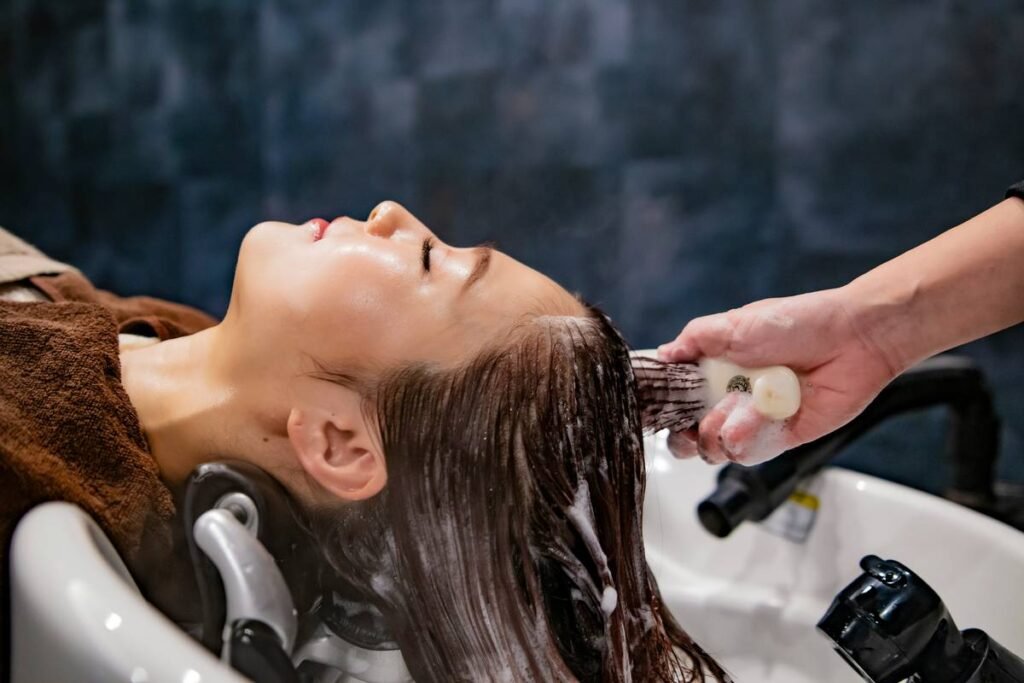
Use a sulfate-free shampoo. Harsh surfactants rip away natural sebum, leaving hair vulnerable. Rinse with cool water to gently lift the cuticle just enough for treatment entry—no hot water. It swells the shaft, inviting breakage.
Step 2: Apply Heat Strategically
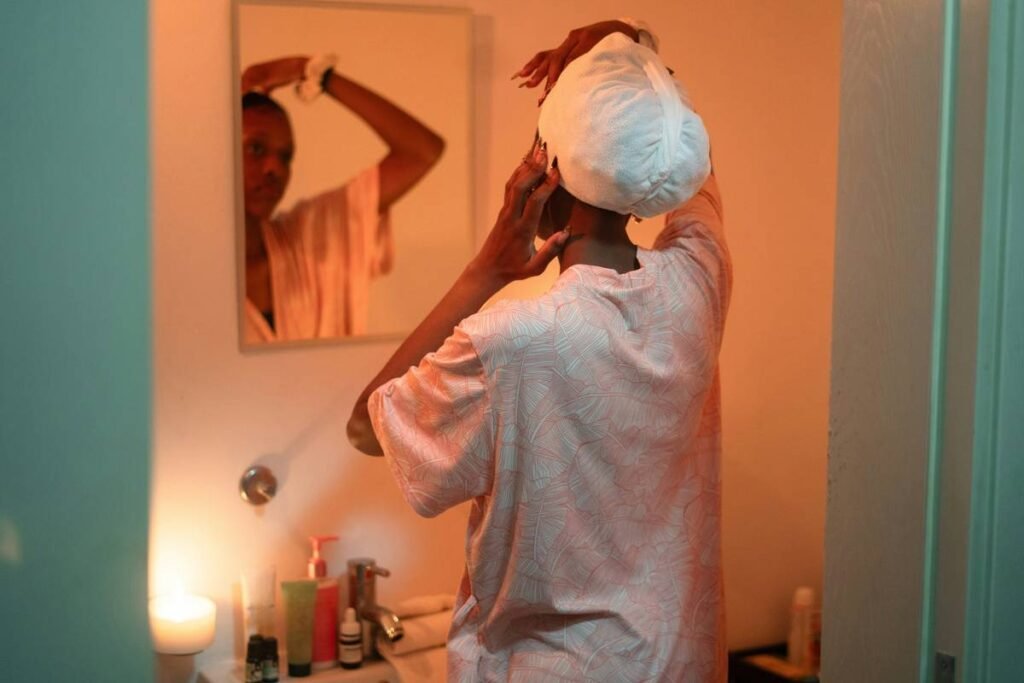
Warmth opens the cuticle. But don’t blast it with a hood dryer for 30 minutes—that’s evaporation disguised as care. Instead, wrap damp hair in a warm towel for 5–7 minutes post-application. Gentle. Effective. Non-damaging.
Step 3: Choose Ingredients by Function, Not Hype
Ceramides rebuild the lipid barrier. Hydrolyzed quinoa protein penetrates without buildup. Panthenol? A humectant that pulls moisture inward—not just sits on top. Skip anything listing “fragrance” in the top five ingredients. That’s filler masquerading as luxury.

| Approach | Cost Per Use | Active Penetration | Long-Term Results |
|---|---|---|---|
| Drugstore Mask (Silicone-Based) | $0.80 | Low | Temporary shine; increased dryness over time |
| Salon Protein Treatment | $12–$25 | Moderate-High | Stronger strands—but risk of stiffness if overused |
| Custom Conditioning Hair Solution (DIY + Targeted Actives) | $0.50–$2.00 | High | Visible elasticity, reduced shedding, lasting softness |
The Industry Secret: Pre-Wash Oil Tuning
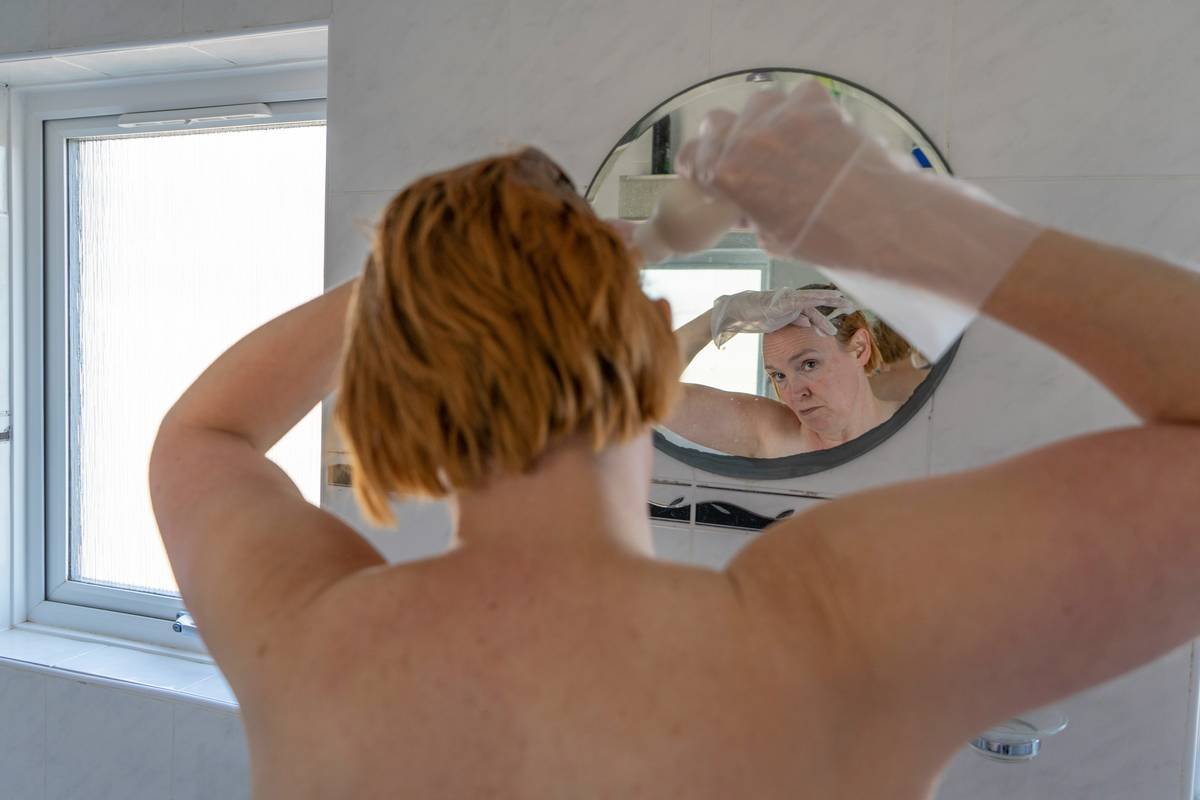
Salons won’t tell you this: the real magic happens before you shampoo. Apply a light oil—jojoba or sunflower—to dry hair 30 minutes pre-wash. This “pre-treatment” fills micro-gaps in the cuticle, preventing further moisture loss during cleansing. Think of it as priming a canvas. Without it, your mask fights an uphill battle against freshly stripped fibers. And yes—it works even on fine hair. Use less, not none.
Frequently Asked Questions
How often should I use a conditioning hair solution?
Once weekly for damaged hair. Every 10–14 days for normal types. Overuse causes hygral fatigue—yes, too much moisture weakens strands.
Can I leave a hair mask on overnight?
Only if it’s water-based and protein-free. Oil-heavy or protein-rich formulas left all night lead to swelling, then breakage. Not worth the risk.
Are store-bought masks ever worth it?
Rarely. Unless they list ceramides, fatty alcohols (like cetyl), and no drying alcohols (ethanol, SD alcohol) in the top five—skip them.