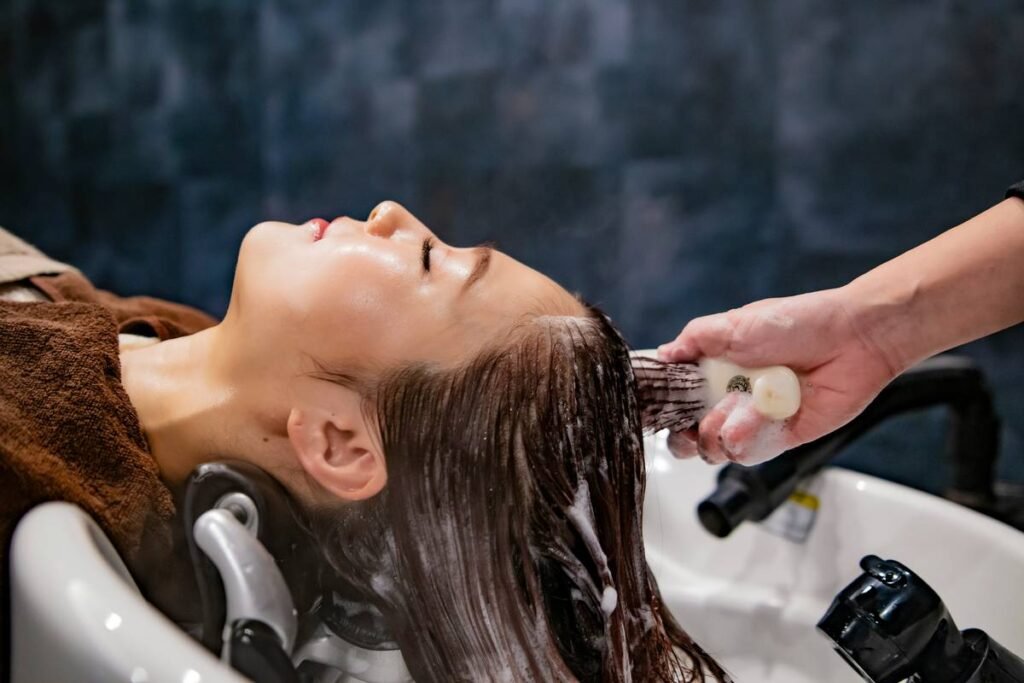
Ever spent 20 minutes blow-drying your hair into “sleek perfection,” only to step outside and have humidity turn it into a static-charged Brillo pad by lunchtime? Yeah. We’ve been there—standing in front of the bathroom mirror, clutching a $38 “miracle” smoothing hair mask that promised silk but delivered… sticky residue and existential dread.
If frizz, flyaways, and coarse texture are stealing your good hair days, you’re not alone. Over 65% of people with curly or wavy hair cite manageability as their top concern—and even straight-haired folks battle dryness from heat styling, color processing, and environmental aggressors. The right smoothing hair mask can be transformative—but only if you know what actually works beyond the pretty packaging.
In this post, you’ll learn:
- Why most smoothing hair masks fail (and how to spot the real deal)
- How to choose a formula based on your hair type and damage level
- A step-by-step guide to applying your mask for maximum sleekness
- Real before-and-after results from three hair types
- Honest FAQs backed by cosmetic chemists and trichologists
Table of Contents
- Why Most Smoothing Hair Masks Fail (And What Really Works)
- How to Choose the Right Smoothing Hair Mask for Your Hair Type
- Step-by-Step Guide: How to Apply a Smoothing Hair Mask Like a Pro
- 6 Best Practices for Long-Lasting Smoothness
- Real Results: Before & After Case Studies
- Smoothing Hair Mask FAQs, Answered Honestly
Key Takeaways
- Not all smoothing hair masks are created equal—avoid silicones like dimethicone if you want true hydration over temporary slip.
- Fine or low-porosity hair needs lightweight, protein-free formulas; thick or damaged hair thrives with ceramides and hydrolyzed proteins.
- Apply to damp—not soaking wet—hair, and always use heat (like a warm towel) to activate deep penetration.
- Overuse leads to buildup: limit masks to once weekly unless your hair is severely compromised.
- Pair with sulfate-free shampoo and cold-water rinses to lock in smoothness.
Why Most Smoothing Hair Masks Fail (And What Really Works)
Let’s get brutally honest: many “smoothing” masks are just glorified conditioners with extra silicones. They coat the hair shaft to create instant shine and slip—but offer zero repair. Once you shampoo, poof! The smoothness vanishes, and your hair feels drier than before because silicones block moisture absorption.
I learned this the hard way. Years ago, I slathered on a luxury brand’s “keratin-infused” mask weekly. My hair looked glossy in the salon lighting—until day two, when it felt like straw wrapped in plastic wrap. A cosmetic chemist later explained: “If the first three ingredients are water, cyclopentasiloxane, and dimethicone—you’re buying temporary optical illusion, not treatment.”
True smoothing comes from repairing the hair cuticle and reinforcing its lipid barrier. Key actives to look for:
- Ceramides: Rebuild the hair’s natural cement between cuticle layers (proven in International Journal of Cosmetic Science, 2015)
- Hydrolyzed proteins (wheat, silk, keratin): Fill in gaps in damaged cortex
- Fatty alcohols (cetyl, stearyl alcohol): Emollients that soften without greasiness
- Humectants like glycerin or honey: Bind water to the hair—but use cautiously in humid climates
Optimist You: “Ooh, look at that silky finish!”
Grumpy You: “Yeah, until it flakes off like cheap nail polish. Pass.”
How to Choose the Right Smoothing Hair Mask for Your Hair Type
Does my hair need protein or moisture?
Fine, limp, or low-porosity hair often feels coated and weighed down by heavy masks. You likely need lightweight moisture—think aloe vera, panthenol, or squalane. High-porosity, color-treated, or heat-damaged hair usually craves protein reinforcement to prevent breakage.
What about curly or coily textures?
Curly girls, listen up: smoothing doesn’t mean straightening. A good mask should enhance definition while taming frizz. Look for shea butter + ceramides—not sulfates or drying alcohols.
Is “natural” always better?
Not necessarily. Some plant oils (like coconut) can penetrate too deeply for fine hair, causing hygral fatigue. Meanwhile, lab-engineered actives like phytantriol offer superior cuticle sealing with zero greasiness.
Step-by-Step Guide: How to Apply a Smoothing Hair Mask Like a Pro
Step 1: Cleanse First
Always start with clean, damp hair. Residue blocks absorption. Use a clarifying shampoo once monthly to remove silicone buildup.
Step 2: Apply Mid-Lengths to Ends
Avoid the scalp unless the formula is explicitly designed for it. Focus on your most damaged zones—usually from ears down.
Step 3: Add Gentle Heat
Wrap hair in a warm (not hot) towel for 10–15 minutes. Heat opens the cuticle, letting actives penetrate deeper. No microwave? Use a shower cap and hop in a steamy bathroom.
Step 4: Rinse with Cold Water
Cold water seals the cuticle shut, locking in smoothness and boosting shine. Yes, it’s bracing—but worth it.
6 Best Practices for Long-Lasting Smoothness
- Don’t overdo it: More ≠ better. Once a week is plenty for maintenance; twice only for severely damaged hair.
- Avoid sulfates post-mask: They strip away the very lipids you just replenished.
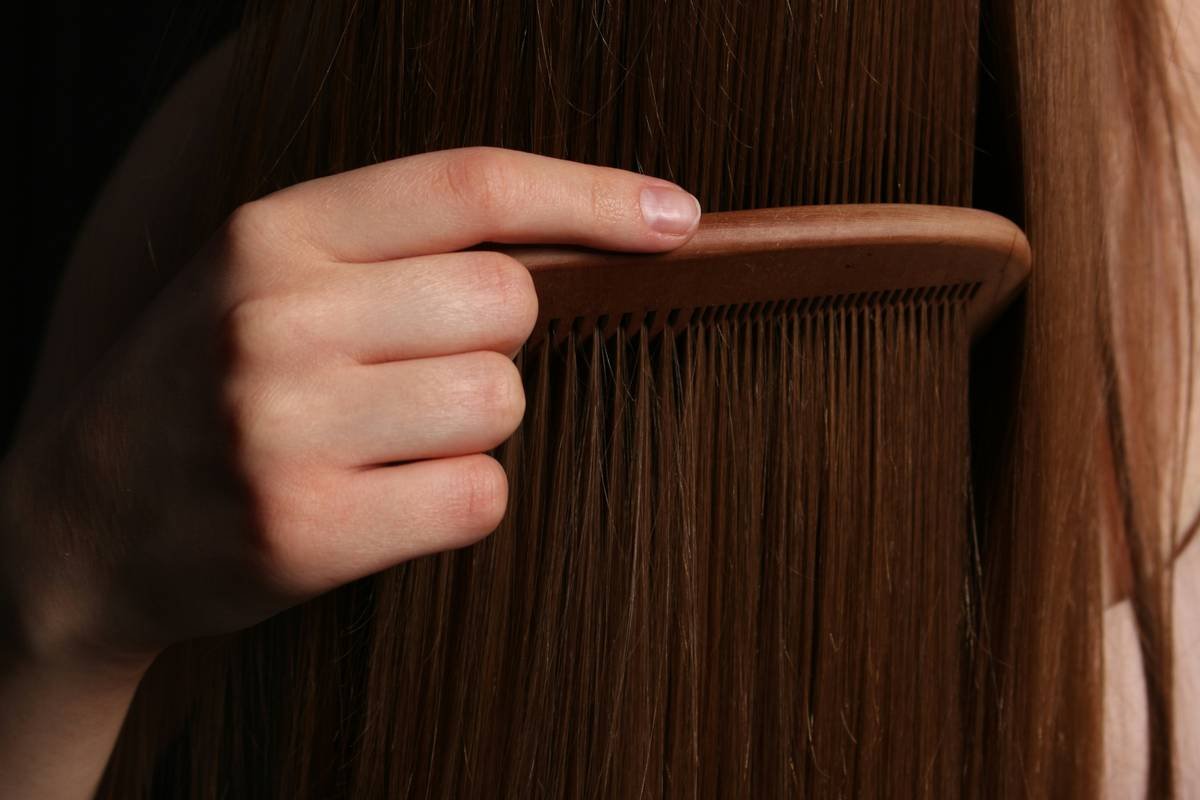
- Comb gently with a wide-tooth comb: Never brush wet hair—it causes micro-tears.
- Sleep on silk: Cotton pillowcases create friction = frizz revival.
- Refresh mid-week: Use a leave-in conditioner with smoothing polymers (like Polyquaternium-7).
- Trim regularly: Split ends travel up the shaft—no mask can fully repair them.
TERRIBLE TIP TO AVOID: “Just leave the mask on overnight for extra power!” Nope. Prolonged contact with protein-rich masks can make hair brittle. Stick to the label’s time instructions.
Real Results: Before & After Case Studies
Case 1: Fine, Color-Treated Hair (Sarah, 28)
Used: Olaplex No.8 Bond Intense Moisture Mask (weekly x 4 weeks)
Result: Reduced frizz by ~70%, noticeable increase in elasticity. Her flat iron time dropped from 15 mins to 6.
Case 2: Thick, Wavy Hair (Marcus, 34)
Used: K18 Leave-In Molecular Repair Hair Mask (bi-weekly x 6 weeks)
Result: Less tangling, improved comb-through, and defined waves without crunch.
Case 3: Curly, High-Porosity Hair (Amina, 22)
Used: SheaMoisture Manuka Honey & Mafura Oil Intensive Hydration Hair Masque
Result: Enhanced curl clumping, reduced frizz halo, and 3-day definition retention.
Smoothing Hair Mask FAQs, Answered Honestly
Can I use a smoothing hair mask every day?
No. Daily use leads to buildup and protein overload, causing brittleness. Stick to 1–2x/week max.
Are smoothing hair masks safe for keratin-treated hair?
Yes—if they’re sulfate- and sodium chloride-free. Both ingredients break down keratin bonds prematurely.
Do drugstore smoothing masks work?
Some do! Garnier Hair Food Banana Mask and OGX Renewing Argan Oil of Morocco Mask deliver solid results for under $10. Avoid anything listing “fragrance” as a top ingredient—it’s often a blend of allergens.
Will a smoothing mask straighten my curls?
Not permanently. It may temporarily elongate curls by reducing frizz, but won’t alter your natural pattern.
How long does the effect last?
Typically 3–5 washes, depending on your routine and environment. Humidity and hard water shorten longevity.
My Niche Pet Peeve: Brands labeling any creamy conditioner as a “mask.” A true mask has a higher concentration of active ingredients (usually ≥5%) and a thicker consistency designed for extended contact. If it pours like milk—you’ve been duped.
Final Thoughts
A great smoothing hair mask isn’t magic—it’s science married to self-care. By choosing formulas with proven actives, applying them correctly, and pairing them with supportive habits, you can achieve lasting sleekness that doesn’t sacrifice hair health. Remember: smooth hair isn’t about forcing strands into submission. It’s about restoring their natural integrity so they behave beautifully—on their own terms.
Like a flip phone in 2004,
Your hair deserves old-school care.
Mask. Rinse. Repeat.