You slather on expensive hair masks. You follow every influencer’s routine. Yet your strands still feel dry, brittle, or lifeless. It’s frustrating—especially when you’re trusting a so-called premium hair care brand. The truth? Most formulas are built for shelf appeal, not scalp science.
The Core Problem: Why Standard Hair Masks Fail
Most over-the-counter hair masks prioritize texture and scent over penetration. They coat the hair shaft with silicones that mimic shine—but offer zero nourishment beneath the surface. And here’s the kicker: many “nourishing” ingredients never reach the cortex where damage lives.
Think about it. If your hair cuticle is closed (which it should be in healthy hair), how does a thick, occlusive mask get inside? It doesn’t. It just sits there—temporary gloss masking long-term depletion.
How to Choose & Use a Hair Mask That Actually Repairs
Step 1: Match the Mask to Your Hair’s Porosity
Low-porosity hair repels moisture. High-porosity hair leaks it. Using the wrong formula wastes time—and weakens strands further. Test porosity by dropping a clean strand in water. Sinks fast? High porosity. Floats? Low.
Step 2: Apply to Damp—Not Soaking Wet—Hair
Excess water dilutes active ingredients. Towel-dry until hair feels like a wrung-out sponge. Then section and apply from mid-length to ends. Scalp application? Only if you’re treating dryness there—and even then, sparingly.
Step 3: Heat ≠ Better Penetration (Unless Done Right)
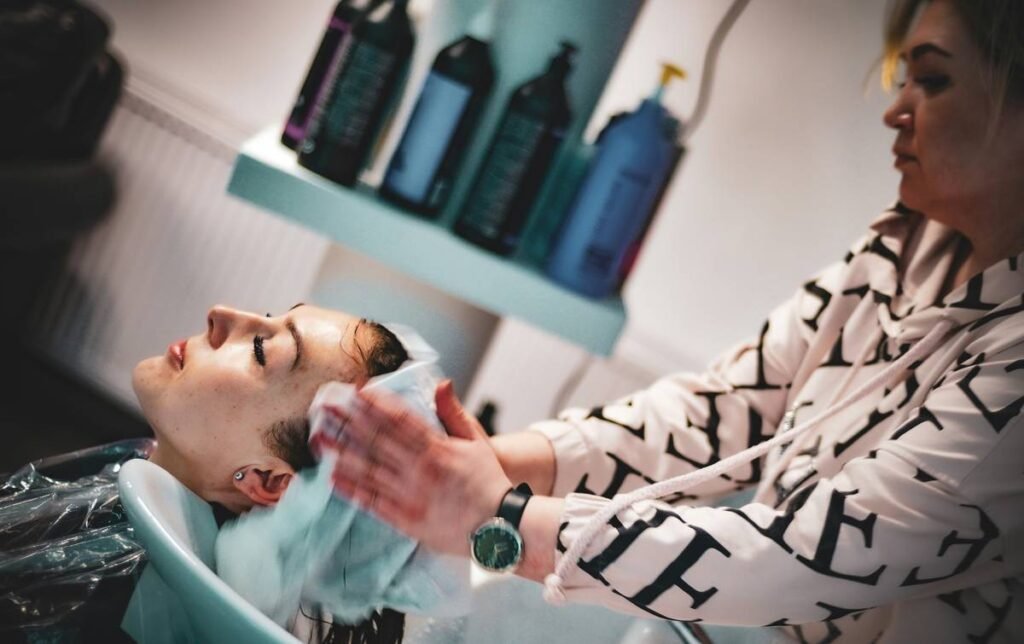
Throwing on a shower cap and hoping heat helps? Risky. Uncontrolled heat swells the cuticle unevenly—leading to breakage. Instead, use a warm (not hot) towel for 5–7 minutes. Or opt for masks with hydrolyzed proteins that actively seek damaged sites without thermal assistance.

| Mask Type | Best For | Average Cost per Use | Time to Visible Results |
|---|---|---|---|
| Protein-Infused (e.g., keratin, wheat) | High-porosity, chemically treated hair | $2.50–$4.00 | 1–2 uses |
| Humectant-Based (e.g., glycerin, honey) | Low-porosity, fine hair in humid climates | $1.80–$3.00 | 3–4 uses |
| Occlusive-Rich (e.g., shea, silicones) | Coarse, curly hair needing frizz control | $2.00–$3.50 | Immediate (cosmetic only) |
| Lipid-Replenishing (e.g., ceramides, squalane) | All types with chronic dryness | $3.50–$6.00 | 4–6 uses |
The Industry Secret: “Clean” Doesn’t Mean Effective
Here’s what labs won’t tell you: some of the most potent reparative actives are synthetically derived—and that’s okay. A plant-based label doesn’t guarantee bioavailability. Take ceramides: natural versions degrade fast. Lab-stabilized ones actually integrate into the lipid layer.
But marketing teams bury this. Why? Because “lab-engineered repair” doesn’t sell Instagrammable bottles. The math is simple: efficacy beats origin stories every time—if your hair could talk, it’d demand function over folklore.
Frequently Asked Questions
Can I use a hair mask daily?
Daily use leads to protein overload or buildup—especially with occlusive formulas. Twice weekly is the sweet spot for most types.
Does leaving a mask on longer improve results?
No. Most masks peak at 10–15 minutes. Beyond that, evaporation reverses absorption—pulling moisture out, not in.
Are salon hair care brands worth the extra cost?
Only if they use stabilized actives at effective concentrations. Price ≠ potency. Always check the ingredient list order—water shouldn’t dominate if repair is the goal.