Dry, brittle ends. Frizz that laughs at humidity. That “conditioned” feeling that vanishes by noon. Sound familiar? Most so-called conditioning hair treatments promise salon-level softness but deliver little more than slicked-on silicones that mask damage—until your next wash. Here’s a better way.
Why Your Conditioning Hair Treatment Isn’t Cutting It
Most store-bought masks are formulated for shelf stability—not scalp compatibility. They overload on cationic surfactants and silicones that coat the hair shaft temporarily, creating the illusion of moisture without addressing porosity or cuticle integrity.
And here’s the kicker: overuse can actually cause buildup that blocks real hydration. Your strands aren’t thirsty—they’re suffocating.
Your Step-by-Step Guide to Actual Conditioning
Forget slapping on any jar labeled “mask.” Real conditioning starts with diagnosis, not application.
Assess Your Hair’s True Needs
Low porosity hair repels moisture—it needs light, acidic formulas with humectants like glycerin. High porosity hair leaks moisture—it craves proteins and emollients like shea butter or hydrolyzed wheat protein. Use the water droplet test: if water beads up, you’re low porosity; if it absorbs instantly, you’re high.
Apply Like a Pro—Not an Afterthought
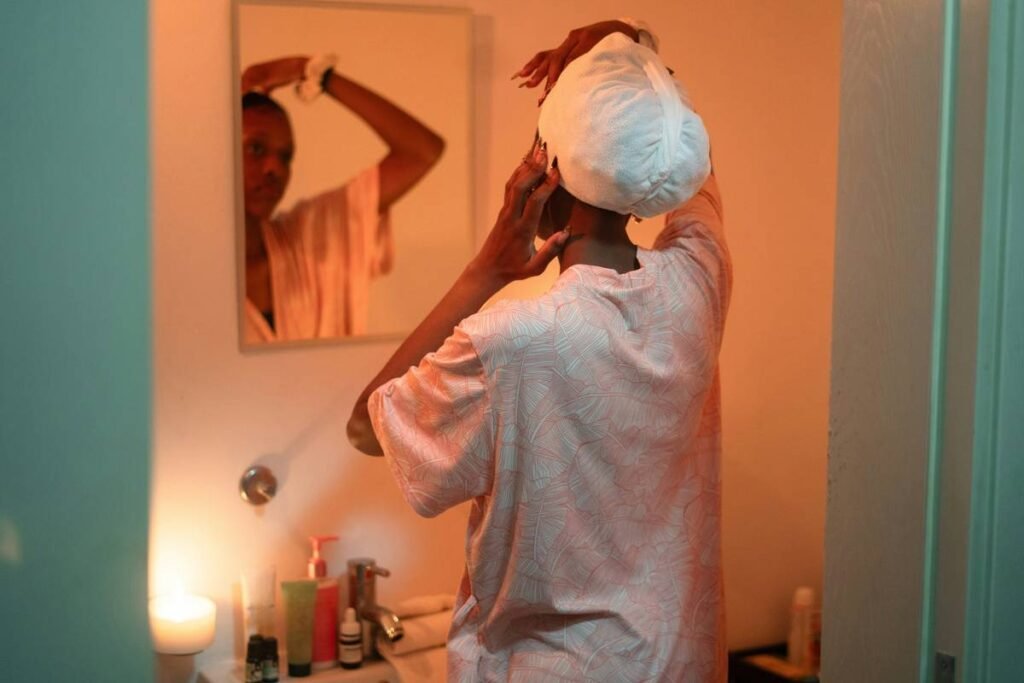
Never apply mask to soaking-wet hair. Gently towel-dry until damp—excess water dilutes active ingredients. Section strands. Start mid-length to ends (scalp application invites greasiness unless treating dry dandruff). Then cover with a warm towel for 10 minutes. Heat opens cuticles. Cold rinses seal them.
Maintenance Frequency Matters
Once a week isn’t universal. Fine or oily hair? Biweekly max. Coarse, curly, or color-treated? Weekly is baseline—but rotate between protein-rich and moisture-heavy formulas. Never use the same mask three weeks straight.

| Treatment Type | Best For | Active Ingredients | Avg. Cost per Use |
|---|---|---|---|
| Protein-Infused Mask | High porosity, damaged, or bleached hair | Hydrolyzed keratin, quinoa protein, silk amino acids | $2.50–$4.00 |
| Hyaluronic Acid Mask | Low porosity, fine, or limp hair | Sodium hyaluronate, panthenol, apple cider vinegar | $1.80–$3.20 |
| Ceramide-Rich Mask | Frizzy, climate-sensitive, or heat-styled hair | Phytoceramides, argan oil, squalane | $3.00–$5.50 |
| DIY Avocado-Honey Blend | Occasional deep moisture boost | Ripe avocado, raw honey, coconut milk | $0.75–$1.20 |

The Industry Secret: “Conditioning” Starts Before You Shampoo
Here’s what formulators won’t tell you: the most effective conditioning hair treatment begins pre-wash. Pre-pooing with lightweight oils (like jojoba or grapeseed)—not heavy butters—penetrates the cortex before cleansing strips natural sebum. This reduces hygral fatigue during washing, the real culprit behind breakage.
Try this: 30 minutes before shampooing, massage 1 tsp of oil into dry ends. Wash as usual, then follow with your mask. The difference? Strands stay elastic, not straw-like. It’s not magic—it’s lipid layer preservation.
Frequently Asked Questions
Can I leave a conditioning hair treatment overnight?
No. Extended dwell time beyond 30 minutes increases risk of protein overload or fungal growth—especially with humid climates. Overnight masks trap sweat and bacteria against the scalp.
Are drugstore conditioning treatments effective?
Some are—but check labels. Avoid anything listing dimethicone or amodimethicone in the top five ingredients. Look instead for behentrimonium methosulfate paired with glycerin or aloe.
How soon should I see results from a conditioning hair treatment?
One use improves slip and shine temporarily. True structural change—reduced breakage, better elasticity—takes 3–4 consistent applications over 6 weeks. Hair grows slowly. So does repair.