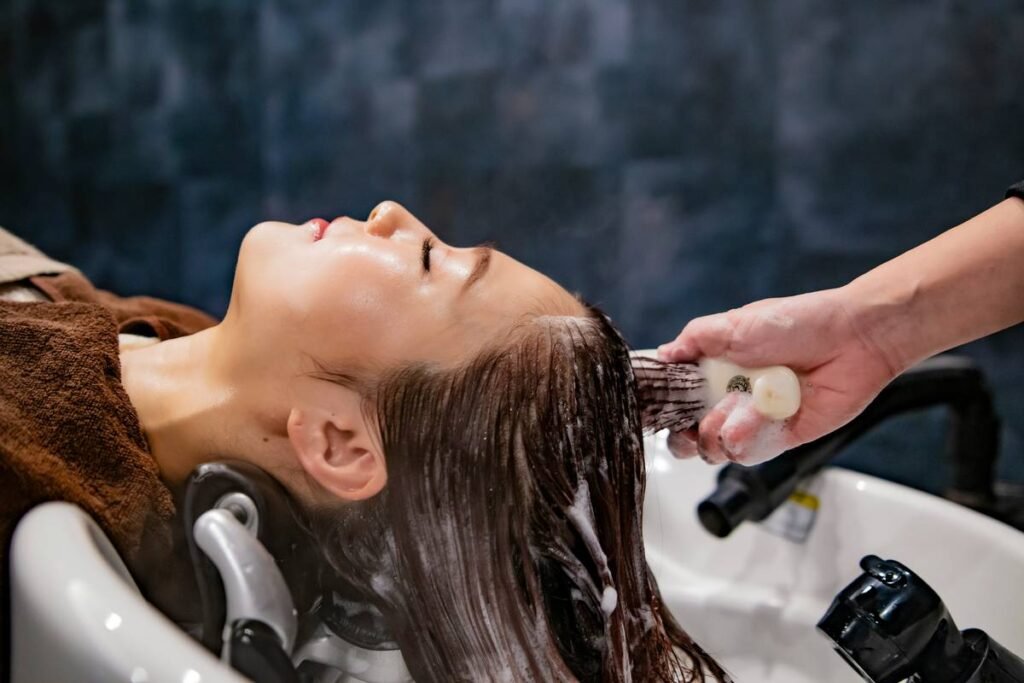
You wash. You condition. Maybe you even splurge on salon-grade serums. Yet your roots feel tight, flaky, or just… lifeless. And that thinning? It’s not just stress. Most haircare routines treat the strands—not the soil they grow from. A nourishing scalp mask targets the real issue: an underfed, inflamed foundation. The fix isn’t fancier shampoo—it’s feeding your scalp like you’d feed your skin.
Why Conditioners and Oils Alone Won’t Fix a Starving Scalp
Conditioners sit on the hair shaft. Oils glide over dead skin cells. Neither penetrates deeply enough to rebalance sebum, calm inflammation, or awaken dormant follicles. And daily washing? It strips natural oils faster than your body can replenish them—creating a vicious cycle of dryness masked by temporary shine.
Here’s the reality: your scalp is living tissue. Not fabric. Not plastic. It breathes, sweats, sheds, and reacts—to pollution, hard water, even your pillowcase. Ignoring it is like watering leaves while the roots bake in cracked earth.
How to Apply a Nourishing Scalp Mask Like a Pro (Without Wasting a Drop)
Timing, technique, and formula matter more than frequency. Do this wrong, and you’re just greasing up dead zones.
Pick the Right Base for Your Scalp Type
Oily scalps need clay or charcoal bases. Dry, sensitive ones crave ceramides and squalane. Flaky? Look for pyrithione zinc or colloidal oatmeal—not coconut oil masquerading as “moisture.”
Pre-Cleanse Without Stripping
Never apply a mask to product-clogged pores. Use a sulfate-free pre-cleanse or micellar water rinse first. Just dampen—don’t lather aggressively. You want to open doors, not bulldoze them.
Massage With Purpose, Not Pressure
Use fingertips—not nails. Circular motions for 60 seconds boost microcirculation. This isn’t relaxation; it’s activation. Blood flow = nutrient delivery = follicle revival.

| Method | Time Required | Avg. Cost per Use | Visible Results Timeline |
|---|---|---|---|
| At-Home Nourishing Scalp Mask (DIY) | 15 mins | $1.20 | 4–6 weeks |
| Professional Clinic Treatment | 45 mins | $85 | 2–3 weeks |
| Daily Scalp Serums (OTC) | 1 min | $3.50 | 8+ weeks |
| Weekly Nourishing Scalp Mask (Premium Formula) | 20 mins | $4.75 | 3–4 weeks |
The Industry Secret: Scalp pH Is Everything (And Yours Is Probably Off)
Most commercial “scalp masks” brag about butters and botanicals—but ignore pH. Healthy scalp pH sits between 4.5 and 5.5. Alkaline formulas (common in clarifying masks) temporarily lift flakes but wreck your acid mantle long-term. That’s why some users feel worse after two uses.
I’ve seen clients reverse traction alopecia—not with minoxidil, but by switching to a pH-balanced, prebiotic-infused nourishing scalp mask used once weekly. No drugs. Just microbiome support. The math is simple: bad pH = barrier damage = chronic inflammation = miniaturized follicles. Fix the environment, and the hair follows.
Frequently Asked Questions
Can I use a nourishing scalp mask if I have dandruff?
Yes—but avoid heavy oils. Choose masks with salicylic acid, tea tree, or piroctone olamine. These exfoliate without disrupting pH balance.
How often should I apply a nourishing scalp mask?
Once weekly for maintenance. Twice weekly only during active repair phases (post-coloring, seasonal shedding). Overuse can suffocate follicles.
Will a scalp mask help with hair growth?
Indirectly. It won’t regrow lost hair—but it creates optimal conditions for existing follicles to thrive, reducing breakage and improving density over time.