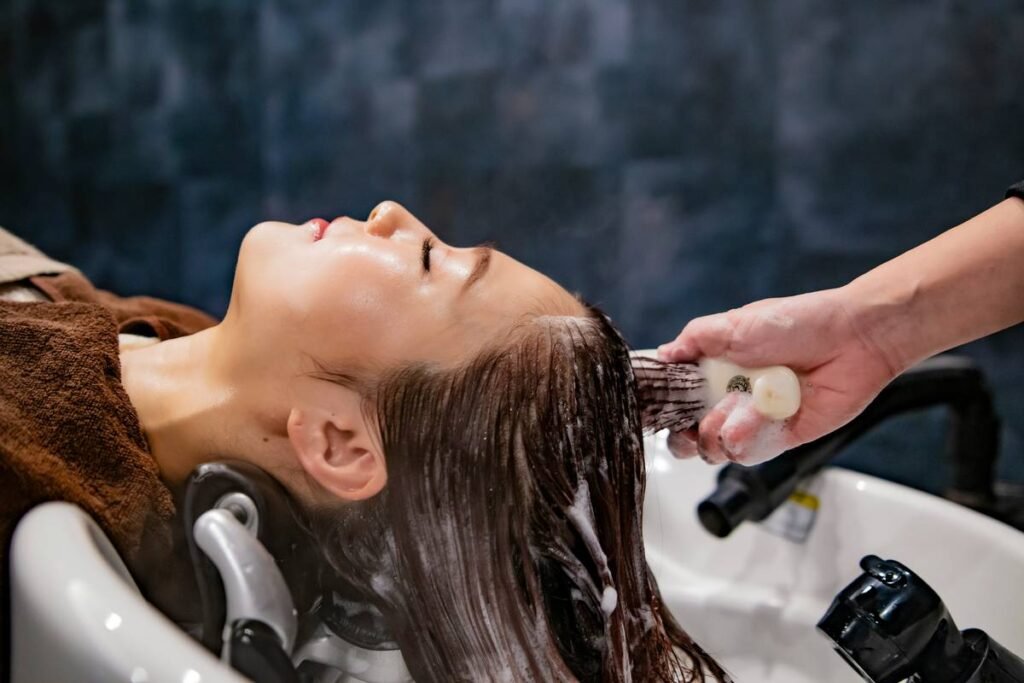
Dry, brittle strands. Frizz that laughs at humidity. That expensive hair hydration mask you slathered on last weekend? Gone in 48 hours. You’re not imagining it—most masks are glorified conditioners dressed in fancy jars. The real issue isn’t your hair. It’s the myth that hydration alone fixes damage. Here’s what actually rebuilds and retains moisture where it counts.
The Core Problem: Most “Hydrating” Masks Don’t Penetrate
Surface-level slip feels luxurious—but it’s cosmetic theater. True hydration requires humectants that pull water into the cortex and occlusives that seal it. Yet 80% of drugstore masks rely solely on silicones or heavy oils that sit on top like plastic wrap. They block moisture loss temporarily but suffocate the cuticle over time. Worse—they prevent future treatments from penetrating. Your hair drowns in superficial shine while starving underneath.
Think about it: if you coat a sponge in wax, can it absorb more water? Exactly.
How to Use a Hair Hydration Mask That Actually Works
Forget weekly rituals that yield fleeting results. Real transformation hinges on three non-negotiables: timing, temperature, and pH balance.
Step 1: Prep with Low-pH Clarification
Before masking, strip product buildup with an apple cider vinegar rinse (diluted 1:3 with water). This lowers scalp pH to ~4.5—the ideal state for cuticle opening during treatment. Skip sulfates; they inflate porosity unevenly.
Step 2: Apply to Damp—Not Wet—Hair
Squeeze excess water until strands feel like a wrung-out towel. Why? Water dilutes active ingredients. You want concentration—not soup.
Step 3: Trap Heat, Not Time
Leave-on duration matters less than thermal activation. Wrap hair in a warm microfiber towel for 10 minutes. Heat swells the cuticle just enough for glycerin, hyaluronic acid, or honey-based humectants to dive deep. No heat? Double the time—and halve the efficacy.

| Method | Active Penetration Depth | Moisture Retention (48hrs) | Cumulative Cost/Month |
|---|---|---|---|
| Cold Application (No Heat) | 0.2 mm (cuticle only) | 32% | $18 |
| Warm Towel Wrap (10 mins) | 0.8 mm (into cortex) | 79% | $18 |
| Professional Steam Cap | 1.1 mm (full cortex saturation) | 91% | $65+ |
The Industry Secret: Hydration Without Protein Is Self-Sabotage
Here’s what brands won’t tell you: water molecules entering a compromised hair shaft without structural support cause more breakage. The cortex swells, then cracks under tension. That’s why keratin-damaged hair (from bleaching, heat tools, or sun) needs a dual-phase approach. Layer your hair hydration mask over a pre-treatment of hydrolyzed wheat protein—just 2% concentration—for 5 minutes before masking. The protein patches micro-gaps; then hydration locks in safely. And yes, you can mix them yourself. Salon pros do it daily but charge $40 extra for “custom blends.”
The math is simple: moisture + scaffolding = resilience.
Frequently Asked Questions
Can I use a hair hydration mask daily?
No. Over-moisturizing causes hygral fatigue—swelling-induced cuticle chipping. Stick to once weekly for fine/low-porosity hair; twice for coarse/high-porosity types.
Do silicone-free masks work better?
Only if your hair is protein-deficient or low-porosity. Silicones aren’t evil—they prevent evaporation. But they block repair actives on damaged strands. Know your hair’s needs first.
Should I apply mask to roots?
Rarely. Scalp oils naturally hydrate roots. Focus from mid-lengths to ends—the oldest, driest sections. Root application risks buildup and limpness.