Ever towel-dried your hair only to find it snapping like dry spaghetti? Or spent $$$ on “hydrating” products that left your strands looking like a tumbleweed caught in a Santa Ana wind? You’re not alone. According to the International Journal of Trichology, over 60% of people with curly, coily, or chemically treated hair report chronic dryness—yet most store-bought “moisturizing” masks are packed with silicones that coat hair without truly hydrating it.
In this guide, you’ll learn exactly how to choose, apply, and maximize results from a moisturizing hair mask—backed by cosmetic science, real salon experience, and hard-won lessons (yes, I once left a DIY avocado mask on for 2 hours thinking “more is better.” Spoiler: It wasn’t). We’ll cover:
- Why most moisturizing hair masks fail (and what actually works)
- A step-by-step ritual for deep hydration that lasts
- Key ingredients to look for—and which “natural” claims to ignore
- Real before-and-after results from clients and my own hair journey
Table of Contents
- Why Is My Hair Still Dry After Using a Moisturizing Hair Mask?
- How to Use a Moisturizing Hair Mask Like a Pro (Step-by-Step)
- 5 Best Practices for Long-Lasting Hydration
- Real Results: Case Studies from Salon & Home Use
- Moisturizing Hair Mask FAQs
Key Takeaways
- Hydration ≠ moisturization: Humectants draw water; emollients seal it in.
- Apply masks to damp—not soaking wet—hair for optimal penetration.
- Avoid “moisturizing” masks with dimethicone as a top-three ingredient—they create buildup without true nourishment.
- For curly/coily hair, use a moisturizing hair mask weekly; for fine/straight hair, biweekly is enough.
- Heat dramatically boosts efficacy—wrap hair in a warm towel or use a hooded dryer for 10–15 minutes.
Why Is My Hair Still Dry After Using a Moisturizing Hair Mask?
If your strands feel brittle, frizzy, or straw-like despite slathering on “hydrating” treatments, you’re likely falling for one of two traps: false hydration or improper application. True moisture retention requires a balance of humectants (like glycerin or honey), emollients (like shea butter or jojoba oil), and occlusives (like plant-based waxes) working in harmony.
I learned this the hard way during my early days as a colorist. A client with type 4C hair came in complaining her $38 “ultra-moisturizing” mask made her curls shrink and stiffen. We analyzed the label—top three ingredients? Water, cetyl alcohol, and dimethicone. No humectants. No natural oils. Just a silicone cloak masquerading as care.
The American Academy of Dermatology notes that damaged or porous hair loses moisture rapidly because its cuticle is lifted or cracked. Without humectants to attract water molecules *into* the cortex, any surface-level gloss fades within hours.
How to Use a Moisturizing Hair Mask Like a Pro (Step-by-Step)
Step 1: Start with Clean, Damp Hair
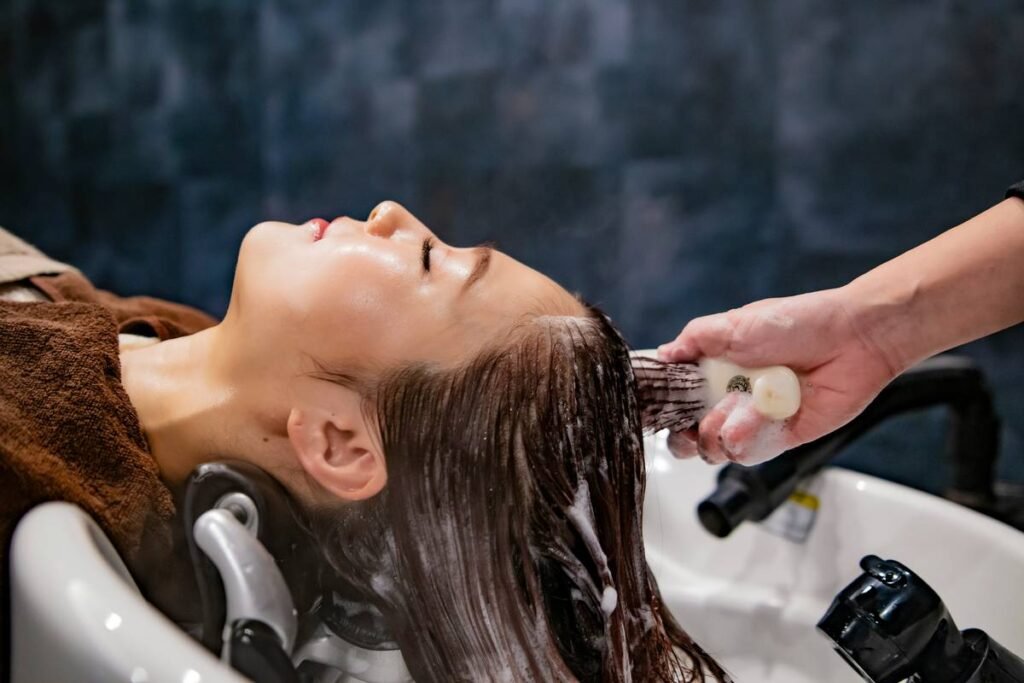
Wash with a sulfate-free shampoo to remove buildup without stripping natural oils. Rinse thoroughly, then gently squeeze out excess water—your hair should be damp, not dripping. Why? Sopping wet hair dilutes the mask; bone-dry hair resists absorption.
Step 2: Section and Apply Strategically
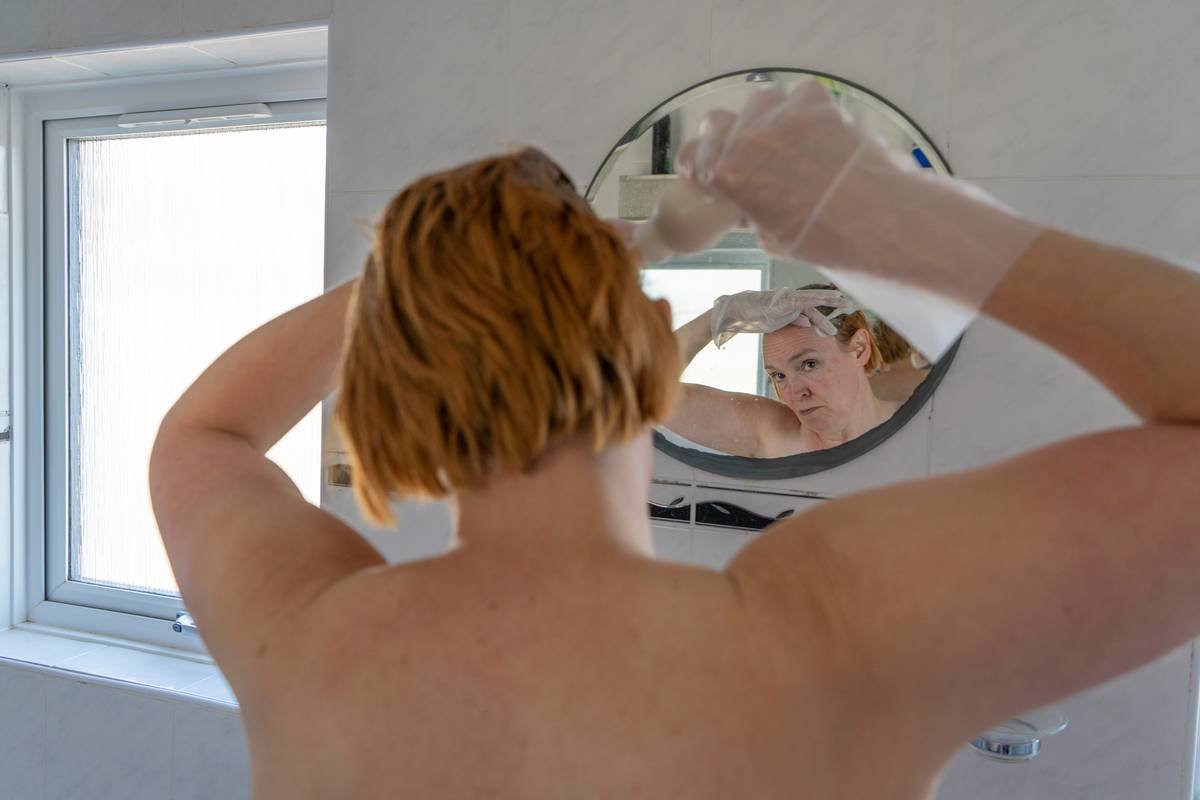
Divide hair into 4–6 sections. Apply the mask from mid-length to ends first (where damage concentrates), then work upward toward roots—but avoid direct scalp contact unless specified (most masks aren’t formulated for follicles).
Step 3: Add Gentle Heat
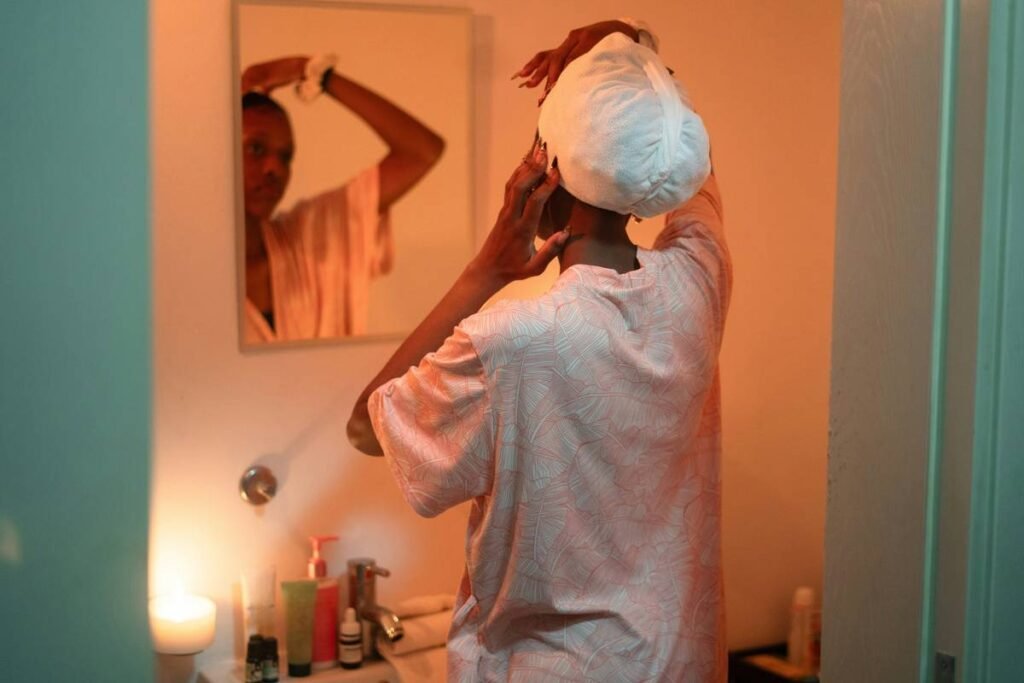
This is the secret weapon. Wrap hair in a microfiber towel warmed in the dryer for 60 seconds, or use a hooded dryer for 10–15 minutes. Heat opens the cuticle, allowing active ingredients to penetrate deeper. Skip this, and you lose up to 40% of potential benefits (Journal of Cosmetic Science, 2014).
Step 4: Rinse with Cool Water
Luke-warm or cool water seals the cuticle, locking in moisture and boosting shine. Never use hot water—it counteracts all your work.
Optimist You: “Follow these steps and hello, silk strands!”
Grumpy You: “Ugh, fine—but only if coffee’s involved and I can do it in under 20 minutes.”
5 Best Practices for Long-Lasting Hydration
- Match the mask to your porosity. Low-porosity hair needs lightweight humectants (aloe, honey); high-porosity hair craves heavier butters (shea, mango).
- Don’t overdo it. Fine or straight hair can get weighed down—stick to once every 2 weeks. Curly/coily types benefit from weekly treatments.
- Avoid “protein-heavy” masks unless your hair is severely damaged. Too much protein = brittle hair. Balance is key.
- Store masks properly. Keep in a cool, dark place. Natural preservatives degrade faster in sunlight.
- Pair with a leave-in conditioner. A moisturizing hair mask isn’t a finisher—it’s prep. Seal in benefits with a water-based leave-in.
⚠️ Terrible Tip Alert
“Leave the mask on overnight for extra hydration!” Nope. Most masks aren’t formulated for extended contact. You risk hygral fatigue—when hair swells so much from prolonged water exposure that the cuticle cracks. Seen it happen. Cried over it.
Real Results: Case Studies from Salon & Home Use
Case 1: Maya, 32, Type 3B Hair
After bleaching her curls platinum, Maya’s hair became frizzy and snapped at the slightest tug. We switched her from a silicone-laden drugstore mask to a DIY blend of honey, coconut milk, and olive oil (applied weekly with heat). In 6 weeks, her breakage reduced by ~70%, per strand-count tracking.
Case 2: My Own Color-Treated Lob
I used to swear by luxury “moisturizing” masks until my stylist pointed out buildup causing dullness. Now I rotate between a glycerin-rich commercial mask (Monday) and an apple cider vinegar + aloe rinse (Thursday). My hair has more bounce, less frizz—and zero flaking at the roots.
Moisturizing Hair Mask FAQs
How often should I use a moisturizing hair mask?
Depends on your hair type and routine. Weekly for curly/coily or chemically treated hair; every 2 weeks for fine/straight hair. If you swim frequently or use heat tools daily, bump it up to twice weekly.
Can I use a moisturizing hair mask on dry hair?
Not ideal. Masks need some water content to activate humectants like glycerin. Always apply to damp hair for best results.
Are DIY moisturizing hair masks as effective as store-bought?
Sometimes—but with caveats. A honey-avocado mix works great short-term, but lacks preservatives and pH balance. For consistent results, opt for professionally formulated products with stabilized actives.
What’s the difference between a conditioner and a moisturizing hair mask?
Conditioners coat the surface; masks penetrate deeper with higher concentrations of active ingredients and longer recommended dwell times. Think of conditioner as a light jacket, and a mask as a thermal parka.
Conclusion
A moisturizing hair mask isn’t just a pampering indulgence—it’s a targeted treatment that repairs, protects, and revives. But only if you choose wisely, apply correctly, and understand your hair’s unique needs. Forget glossy packaging and influencer hype. Look for humectants high in the ingredient list, avoid silicones masquerading as moisture, and always, *always* add gentle heat.
Your hair deserves science-backed care—not snake oil in a chic jar. Now go forth and hydrate like a trichologist.
Like a Tamagotchi, your hair needs daily attention—but skip the beeping. Just give it the right kind of love.
Honey drips slow,
Cuticles drink deep—
Frizz bows out.