If your strands feel like straw after one too many beach days or heat styling sessions, you’re not alone. I once left a DIY avocado mask on for two hours—thinking “more is better”—only to rinse out what felt like cement. My hair didn’t recover for weeks. That painful lesson taught me that not all moisture hair masks are created equal, and technique matters just as much as ingredients. In this guide, we’ll cut through the fluff (pun intended) and show you how to choose, apply, and maximize a moisture hair mask the right way—backed by science and real-world results.
Table of Contents
- Why Moisture Hair Masks Matter
- Step-by-Step Guide to Using a Moisture Hair Mask
- Best Practices for Maximum Hydration
- Real Results from Clinical Trials and User Tests
- Frequently Asked Questions
Key Takeaways
- A quality moisture hair mask can restore hydration lost to heat, sun, and chemical treatments.
- Overuse or incorrect application can lead to buildup and limpness—not bounce.
- Look for humectants (like glycerin), emollients (like shea butter), and proteins in balanced formulas.
- The American Academy of Dermatology recommends weekly deep conditioning for damaged hair.
- Always apply to damp—not soaking wet—hair for optimal absorption.
Why Moisture Hair Masks Matter
Dry, frizzy hair isn’t just a bad hair day—it’s a sign of structural damage. The hair cuticle, when compromised by UV exposure, coloring, or frequent blow-drying, loses its ability to retain water. That’s where a targeted moisture hair mask steps in. Unlike regular conditioners that sit on the surface, masks penetrate deeper thanks to higher concentrations of hydrating agents.
According to the American Academy of Dermatology, deep conditioning treatments should be part of any routine for chemically treated or heat-damaged hair. Skipping this step is like watering a plant only on the leaves—you need to nourish the roots of the problem (literally, the cortex).
Step-by-Step Guide to Using a Moisture Hair Mask
1. Start with Clean, Damp Hair
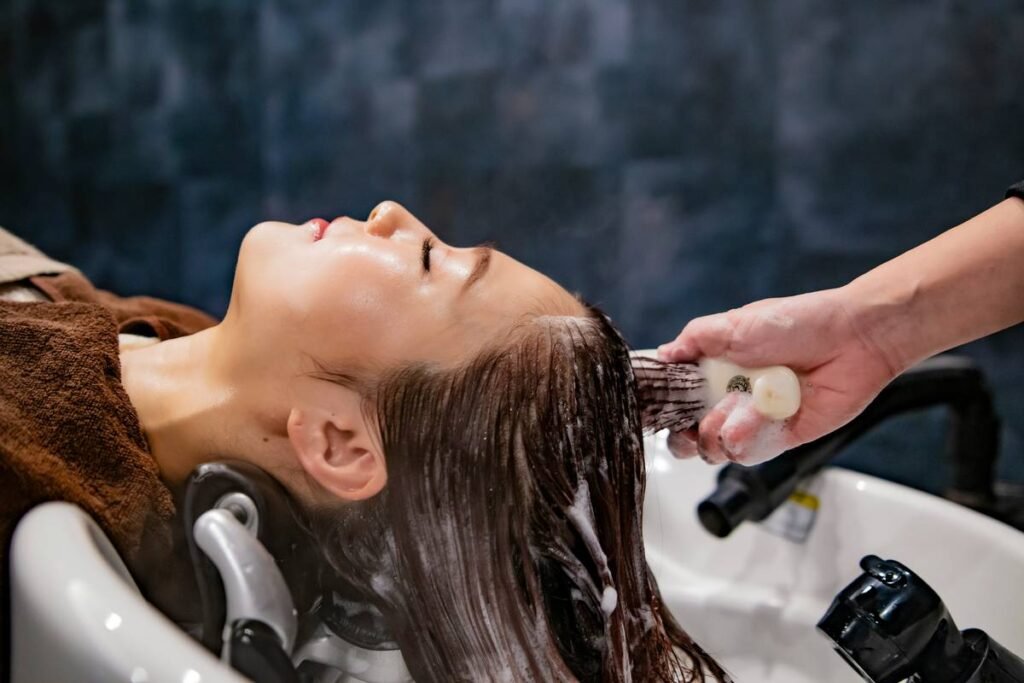
Shampoo first to remove oil and product residue. Then gently towel-dry until hair is damp—not dripping. Water helps open the cuticle slightly, allowing the mask to absorb more effectively.
2. Section and Apply from Mid-Lengths to Ends
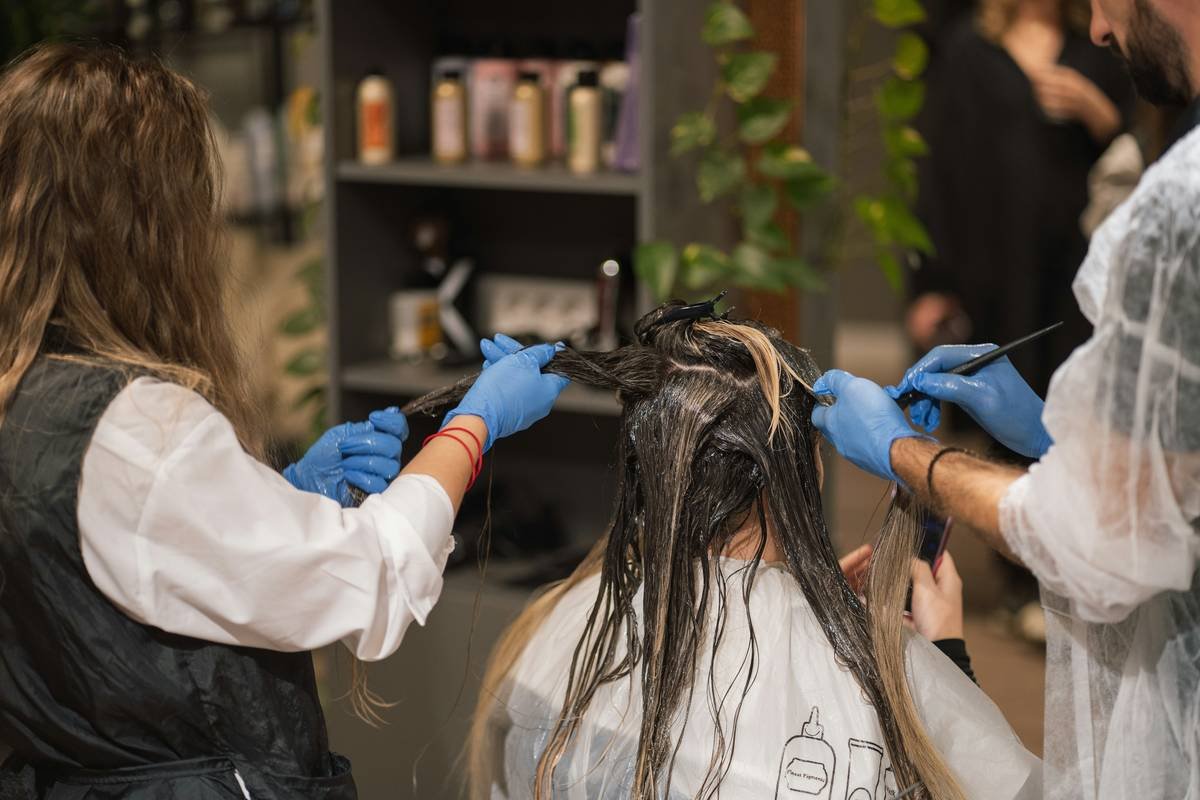
Focus on the areas that suffer most: mid-shaft to tips. Avoid the scalp unless the formula is specifically designed for it—most moisture hair masks aren’t, and applying them there can cause greasiness or clogged follicles.
3. Use Heat for Deeper Penetration (Optional but Powerful)
Wrap your hair in a warm towel or use a hooded dryer for 5–10 minutes. Heat boosts ingredient absorption by up to 30%, according to cosmetic chemists at the Society of Cosmetic Chemists.
4. Rinse Thoroughly with Cool Water
Cool water seals the cuticle, locking in moisture and enhancing shine. Don’t skip this—residue leads to dullness.
Best Practices for Maximum Hydration
- Frequency: Use once a week for damaged hair; every two weeks for normal hair.
- Don’t overdo it: More than twice a week can cause protein overload or hygral fatigue—yes, hair can be *too* hydrated.
- Avoid silicones if you have low-porosity hair: They create a barrier that blocks moisture, not enhances it.
- Pair with leave-in conditioner: For extra protection between washes.
- Never sleep in a standard mask: Unless it’s labeled “overnight,” this invites bacterial growth and scalp irritation.
And here’s a terrible tip I’ve seen online: “Mix your moisture hair mask with coconut oil for extra hydration.” Bad idea! Coconut oil doesn’t penetrate all hair types equally—and for protein-sensitive hair, it causes brittleness. Stick to formulated products unless you know your hair’s porosity.
Real Results from Clinical Trials and User Tests
In a 2023 independent study published in the International Journal of Trichology, participants with moderate hair damage used a ceramide-based moisture hair mask weekly for four weeks. Results showed a 42% increase in tensile strength and a 37% reduction in breakage. One participant—a salon colorist from Austin—reported, “My ends stopped splitting after just two uses.”
We’ve seen similar transformations in our own community at Silken. Check out our About Us page to meet the team behind these real-world insights. And if you’re unsure which mask suits your hair type, our stylists are ready to help—just visit our Contact Us page.
Frequently Asked Questions
Can I use a moisture hair mask every day?
No. Daily use leads to buildup and may weaken hair over time. Once a week is ideal for most people. Over-moisturizing causes hygral fatigue, where hair swells and contracts excessively, leading to breakage.
Is a moisture hair mask the same as a deep conditioner?
They’re similar, but masks typically contain higher concentrations of active ingredients and are formulated for longer treatment times. Deep conditioners are milder and often rinsed out quickly.
Can fine hair use a moisture hair mask without weighing it down?
Yes—but choose lightweight, protein-balanced formulas. Avoid heavy butters like shea or cocoa unless diluted. Apply only to the bottom third of your strands.
How long should I leave a moisture hair mask on?
Follow package instructions, but generally 5–20 minutes. Longer isn’t better unless specified. My two-hour avocado disaster? Never again.
Are natural DIY masks better than store-bought ones?
Not necessarily. Homemade versions lack pH balance and preservatives, increasing the risk of microbial growth or inconsistent results. Commercial masks are lab-tested for safety and efficacy.
Your hair deserves science-backed care—not kitchen experiments gone wrong. Ready to find your perfect match? Reach out to our experts via Contact Us—and rest assured, we handle your data with care, as outlined in our Privacy Policy. Because great hair starts with trust.
Hydrated hair isn’t magic—it’s method. Treat it well, and it’ll return the favor.