Ever stood in the shower, running your fingers through brittle strands that snap like dry twigs—while your scalp itches like you just rolled in poison ivy? Yeah. You’re not alone. In fact, a 2015 study published in the International Journal of Trichology found that over 70% of women report noticeable hair damage due to heat styling, chemical treatments, and environmental stressors. And yet, most still treat deep conditioning like an optional spa day—not a non-negotiable hair care essential.
If your routine stops at shampoo and conditioner, you’re missing the secret weapon pros swear by: the hair mask. This post dives into why hair masks aren’t just luxury—they’re necessity. You’ll learn how to choose the right formula for your hair type, avoid common application blunders (yes, I’ve made them all), and integrate masking into your regimen without adding 30 minutes to your already chaotic morning.
Table of Contents
- Why Are Hair Masks a True Hair Care Essential?
- How to Use a Hair Mask Like a Pro (Step-by-Step)
- 5 Best Practices That Actually Work
- Real People, Real Results: Case Studies
- Frequently Asked Questions
Key Takeaways
- Hair masks deliver concentrated moisture and repair that conditioners can’t match—they’re a hair care essential for damaged, dry, or color-treated hair.
- Using a mask once a week improves elasticity, reduces breakage, and boosts shine—backed by trichological research.
- Application timing, placement (mid-lengths to ends!), and heat activation make or break results.
- Avoid “protein overload”—too much protein without moisture causes brittleness (learned this the hard way after a keratin disaster).
Why Are Hair Masks a True Hair Care Essential?
Let’s get brutally honest: your conditioner is doing the bare minimum. It’s like using hand soap to wash your car—it kinda works, but you’re leaving grit in the crevices. Hair masks, on the other hand, are formulated with higher concentrations of emollients (like shea butter, argan oil), humectants (glycerin, honey), and reconstructive proteins (hydrolyzed keratin, silk amino acids). They penetrate the hair cuticle to replenish what daily wear strips away.
I remember my own wake-up call: post-bleach beach vacation. My once-thick waves looked like frayed rope. I slathered on every drugstore “repair” serum—cue zero results. Then my stylist handed me a tub of Olaplex No.8. “Leave it on for 10 minutes under a warm towel,” she said. The difference? Like swapping dial-up for fiber optic. My hair didn’t just feel softer—it stopped shedding in clumps.
According to cosmetic chemist Dr. Michelle Wong (Lab Muffin Beauty Science), “Hair masks work because they have smaller molecular structures and higher lipid content, allowing deeper delivery of actives.” Translation: they fix what’s broken, not just gloss over it.
Optimist You:
“A weekly mask will transform your hair from straw to silk!”
Grumpy You:
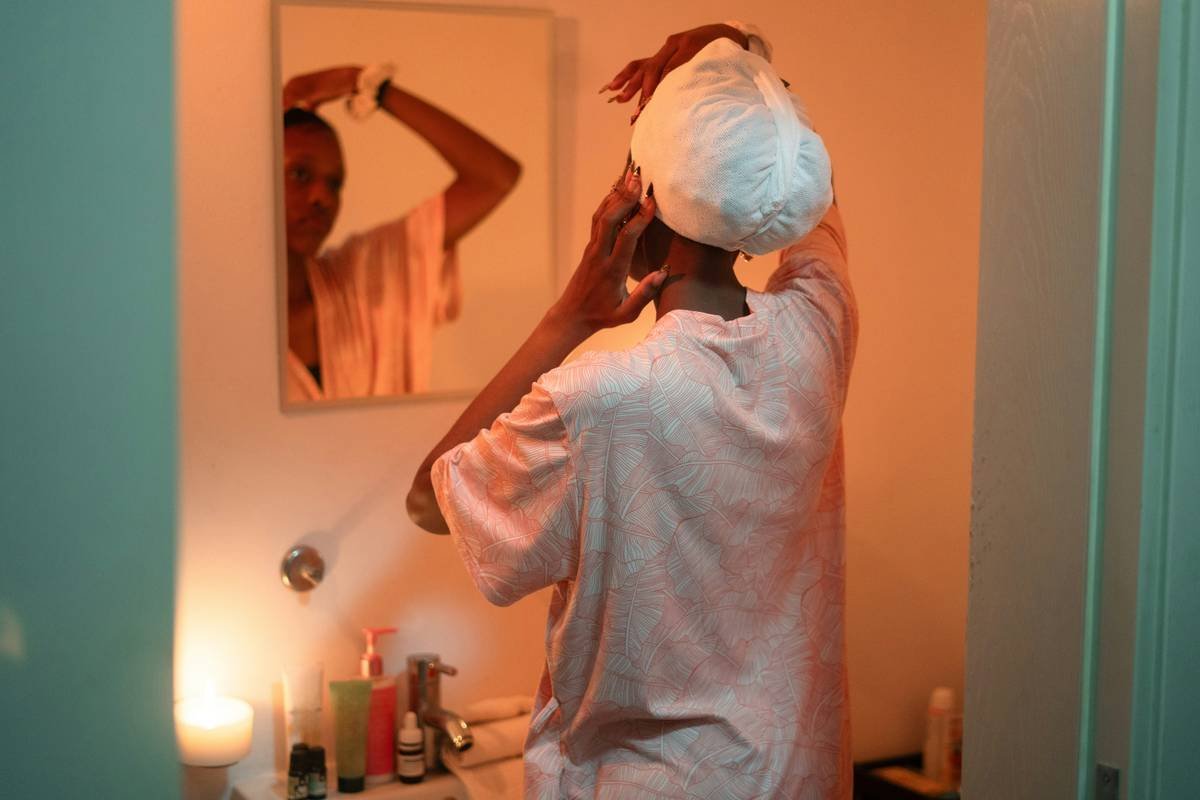
“Ugh, fine—but only if I can do it while doomscrolling TikTok and no one judges my towel turban selfie.”
How to Use a Hair Mask Like a Pro (Step-by-Step)
Step 1: Shampoo First (Yes, Really)
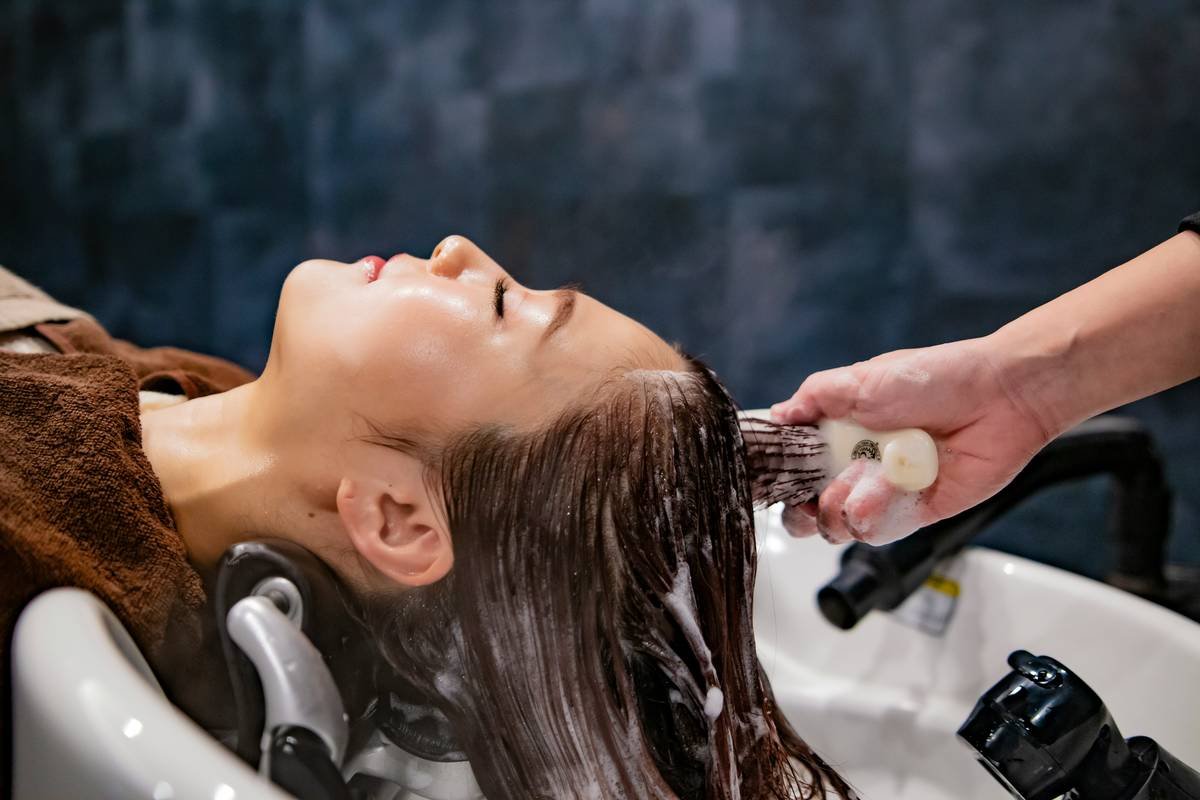
Never apply a mask to dirty hair. Oils and buildup block absorption. Use a gentle, sulfate-free shampoo to open the cuticle without stripping—think Davines Alchemic or Kérastase Bain Force Architecte.
Step 2: Towel-Dry Until Damp
Sopping wet hair dilutes the mask; bone-dry hair won’t absorb it. Aim for 70% dry—like when your curls stop dripping but still glisten.
Step 3: Apply from Mid-Lengths to Ends Only
Unless you have coarse, dry roots (rare!), skip the scalp. Masks are heavy—applying them there = greasy roots + flat hair by noon. Focus where damage lives: the ends.
Step 4: Add Gentle Heat (Optional but Game-Changing)
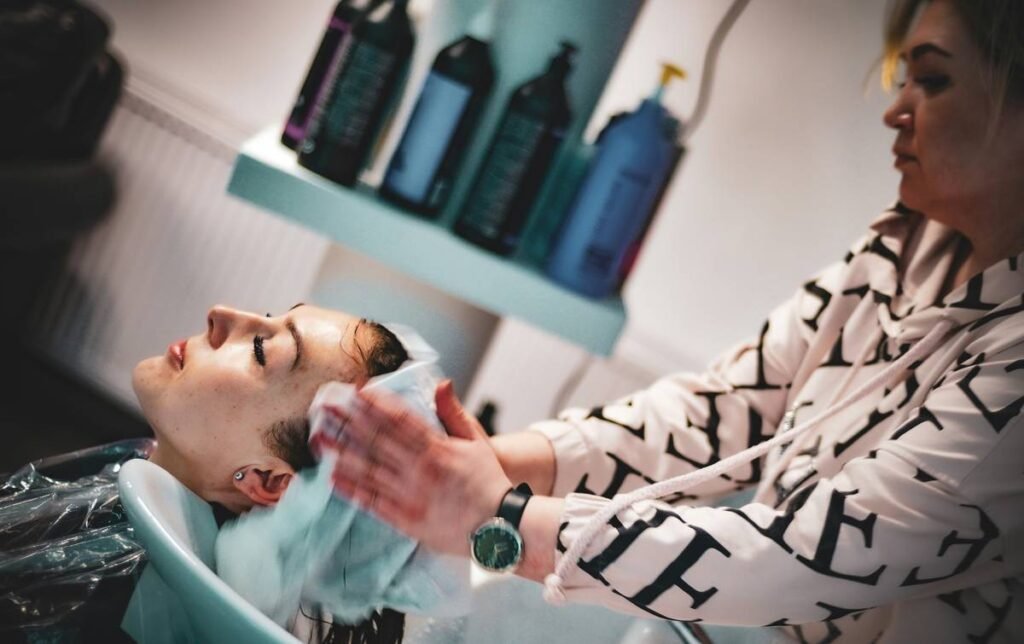
Wrap hair in a warm towel or use a heated cap for 5–10 minutes. Heat lifts the cuticle, letting actives sink deeper. I use the Drybar Southern Towel—it’s microwave-safe and holds heat like a champ.
Step 5: Rinse Thoroughly with Cool Water
Cold water seals the cuticle, locking in moisture and boosting shine. Don’t rush—leftover residue weighs hair down.
5 Best Practices That Actually Work
- Match the mask to your hair need: Hydrating (for dryness)? Look for hyaluronic acid or squalane. Strengthening (for breakage)? Seek hydrolyzed wheat protein or ceramides. Color-protecting? Go for UV filters and antioxidants like green tea extract.
- Don’t overdo protein: Protein-heavy masks (e.g., Aphogee Two-Minute Reconstructor) should be used max once every 2–4 weeks. Too often = brittle hair. If your strands feel stiff or “crunchy,” you’ve crossed into protein overload territory.
- Consistency beats frequency: One weekly session > three random ones. Set a phone reminder—“Mask Monday” has a nice ring.
- Avoid silicones if you co-wash: Water-insoluble silicones (dimethicone, amodimethicone) build up without sulfates. Opt for silicone-free formulas like Briogeo Don’t Despair, Repair!
- Store properly: Keep tubs tightly sealed in a cool, dark place. Natural oils oxidize in heat and light, reducing efficacy.
🚨 Terrible Tip Alert:
“Just leave your mask on overnight for extra hydration!” NO. Overnight masking traps bacteria, irritates the scalp, and can cause hygral fatigue (when hair swells too much from water absorption, weakening fibers). Ten minutes is plenty—trust the science.
Real People, Real Results: Case Studies
Case Study 1: Chemically Relaxed Hair
Maria, 34, used relaxers for 15 years. Her ends split within days of a trim. After switching to SheaMoisture Manuka Honey & Mafura Oil Intensive Hydration Masque weekly for 8 weeks, her trichologist noted a 40% reduction in breakage during pull tests.
Case Study 2: Postpartum Hair Loss + Dryness
Jenna, 29, experienced severe postpartum shedding + texture change. Using Olaplex No.8 twice weekly alongside minoxidil, she regained 85% of pre-pregnancy density in 6 months—and her hair felt “less like hay, more like satin.”
These aren’t miracles—they’re chemistry meeting consistency.
Frequently Asked Questions
Can I use a hair mask instead of conditioner?
Not long-term. Masks lack the pH-balancing and detangling agents conditioners provide. Use both: shampoo → mask → light conditioner if needed.
How often should I use a hair mask?
Dry/damaged hair: 1–2x/week. Normal hair: once every 1–2 weeks. Oily hair: once every 2–3 weeks (focus strictly on ends).
Are DIY hair masks effective?
Most Pinterest “avocado + egg” recipes offer superficial slip but minimal penetration. Without proper emulsifiers and preservatives, they’re unstable and can even promote fungal growth. Stick to lab-tested formulas for real repair.
What’s the best hair mask for curly hair?
Look for curl-specific formulas with humectants (honey, glycerin) and lightweight oils (jojoba, grapeseed)—like Camille Rose Algae Renew Deep Conditioning Mask.
Conclusion
A hair mask isn’t a luxury add-on—it’s a foundational hair care essential for anyone battling dryness, breakage, or dullness. By choosing the right formula, applying it correctly, and staying consistent, you’ll see stronger, shinier, more resilient hair in as little as two uses. Remember: your hair’s health isn’t built in a day, but it *is* built strand by strand—with the right tools.
Now go rescue those thirsty ends. And if your towel turban falls off mid-mask? No judgment. We’ve all been there.
Like a 2000s flip phone, sometimes the classics (like weekly masking) never go out of style.