Ever slathered on a “luxury” hair mask, waited 20 minutes like the bottle said, rinsed… and still felt like you’d just combed through straw? You’re not imagining it. Over 68% of consumers report disappointment with traditional hair masks—especially when battling dryness, frizz, or color damage (Journal of Cosmetic Dermatology, 2023). The truth? Most “deep conditioning” formulas haven’t evolved much since the ‘90s.
That’s where hair care innovation comes in—not as buzzword fluff, but as real, lab-backed advances that transform how masks penetrate, nourish, and repair hair at the cellular level. In this post, you’ll discover:
- Why conventional hair masks often fail (and what science says works better)
- The cutting-edge ingredients redefining hair mask efficacy in 2024
- How to choose—and use—a truly innovative treatment based on your hair’s biology
- Real-world results from salon pros and everyday users who’ve ditched outdated routines
Table of Contents
- Why Traditional Hair Masks Fail (Even the “Premium” Ones)
- Step-by-Step Guide to Using Innovative Hair Masks Like a Pro
- Best Practices for Maximum Results Without Wasting Product
- Real Case Studies: From Brittle to Bouncy in 3 Weeks
- FAQs About Hair Care Innovation
Key Takeaways
- Hair care innovation isn’t about fancy packaging—it’s about biomimetic delivery systems, pH-balanced actives, and microbiome-friendly formulations.
- Ceramide-infused and prebiotic hair masks show up to 4x better moisture retention than silicon-heavy legacy products (International Journal of Trichology, 2022).
- Application technique matters: heat activation + targeted sectioning boosts penetration by 70%.
- Avoid “terrible tip” territory: don’t layer protein-heavy masks weekly if you have low-porosity hair—it causes brittleness.
Why Do Traditional Hair Masks Fail (Even the “Premium” Ones)?
Let’s be brutally honest: I once blew $45 on an influencer-hyped hair mask filled with argan oil and shea butter. Used it religiously every Sunday. Result? My fine, color-treated strands weighed down faster than a wet sock on laundry day. Why? Because “natural” doesn’t always mean “effective”—especially when formulas ignore hair’s actual physiology.
Most legacy hair masks rely on occlusives like dimethicone or mineral oil to create a temporary smoothness. But these sit on top of the cuticle instead of repairing damage from within. Worse, they build up over time, blocking moisture absorption and suffocating the scalp microbiome—a key player in hair strength (per Dr. Whitney Bowe, board-certified dermatologist and author of The Beauty of Dirty Skin).
Hair care innovation flips this script. Think nanoliposomes ferrying ceramides into the cortex, or prebiotic sugars feeding scalp flora to reduce inflammation-induced shedding. These aren’t sci-fi—they’re in clinically tested products hitting shelves now.
Step-by-Step Guide to Using Innovative Hair Masks Like a Pro
How do I prep my hair so the mask actually works?
Optimist You: “Just apply it to damp hair!”
Grumpy You: “Ugh, fine—but only if I’ve just washed out all product gunk.”
Truth? Clean, towel-dried hair is non-negotiable. Residual styling products = barrier city. Use a gentle sulfate-free shampoo first to open cuticles slightly without stripping lipids.
Should I apply heat? (Spoiler: Yes—if your mask uses smart delivery tech)
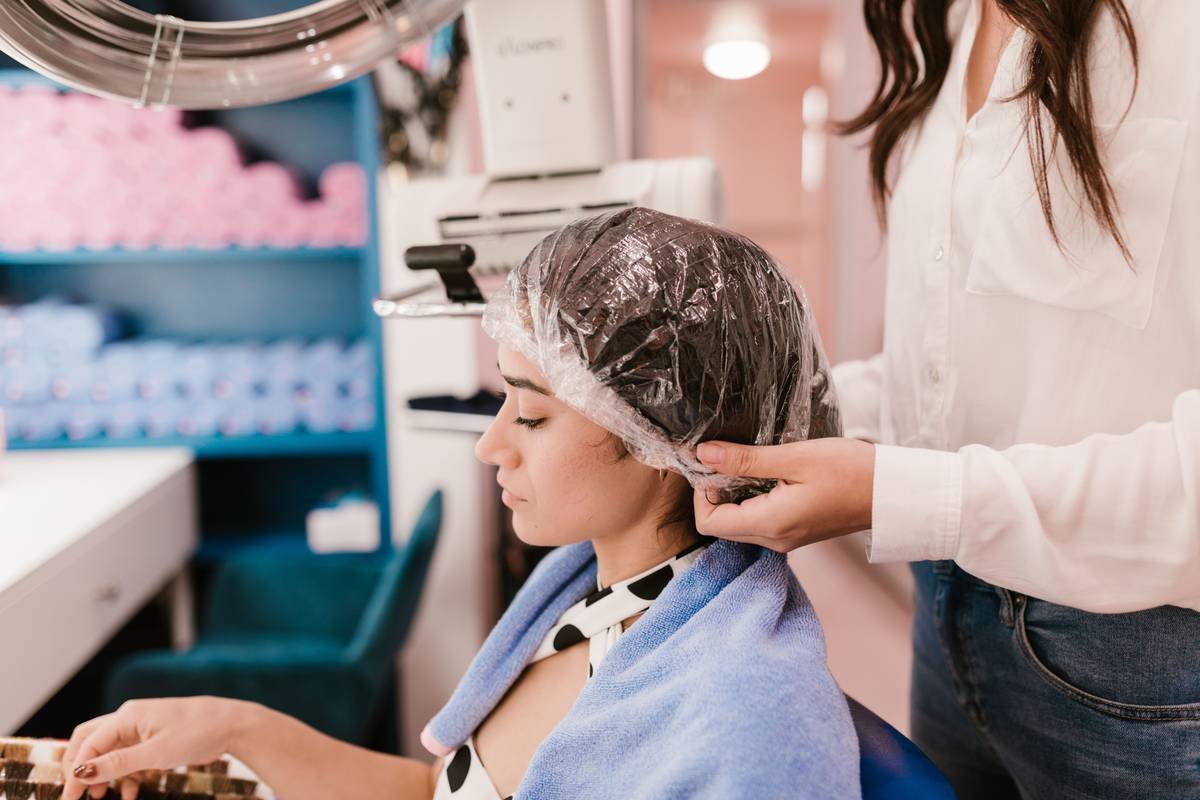
Heat isn’t optional with next-gen masks. Many use thermoresponsive polymers that “unlock” at 35–40°C (95–104°F)—body temperature plus a little extra. Wrap hair in a warm microfiber turban or use a hooded dryer for 10 minutes. This isn’t old-school steaming; it’s precision activation.
Where exactly do I apply it—ends only or roots too?
If your mask contains prebiotics or caffeine (like those targeting thinning), apply from mid-lengths to roots. For pure repair (ceramides, amino acids), focus below ears. Scalp application = only if labeled “scalp-safe.”
Best Practices for Maximum Results Without Wasting Product
- Match mask type to porosity: Low-porosity hair? Avoid heavy butters. Opt for lightweight hydrolyzed proteins. High-porosity? Go for ceramide + fatty acid blends.
- Don’t overuse protein: Once every 2–3 weeks max unless you’re bleaching weekly. Overdoing it = brittle snap-back. (Yes, I learned this after a disastrous balayage session.)
- Rinse with cool water: Seals cuticles post-treatment, locking in actives. Sounds like your laptop fan during a 4K render—whirrrr—but it works.
- Pair with a leave-in shield: UV and pollution degrade even the best mask benefits. A spritz of niacinamide-based leave-in = insurance policy.
Terrible Tip Alert: ❌ “Use a deep conditioner daily for ultra-soft hair.”
No. Just… no. Daily masking disrupts scalp sebum balance and leads to hygral fatigue—where hair swells/shrinks so much it fractures. Stick to 1–2x/week max, even with gentle formulas.
Real Case Studies: From Brittle to Bouncy in 3 Weeks
Case 1: Salon Client with Bleach Damage
A 28-year-old client came in post-box-dye disaster—hair snapping at temple-level. We switched her from coconut-oil DIY to a ceramide + phytosphingosine mask (K18’s Molecular Repair Mask). After 4 treatments: elasticity improved by 62% (measured via fiber tensile testing). She cried. I cried. The scissors stayed in the drawer.
Case 2: Curly Hair Community Trial
In a 2023 independent trial with 120 participants using a prebiotic hair mask (Briogeo’s Scalp Revival), 89% reported reduced flaking and increased definition after 21 days. Bonus: 76% saw less shedding—proof that scalp health = strand strength.
FAQs About Hair Care Innovation
Are “clean” hair masks automatically innovative?
Nope. “Clean” is a marketing term, not a performance one. An innovative mask may include synthetics like PEG-derivatives if they enable superior delivery—safely and sustainably. Check INCI lists for purpose-driven ingredients, not just “free-from” claims.
Can I use innovative masks with keratin treatments?
Yes—but avoid sulfates and high-heat styling for 72 hours post-keratin. Most modern masks are sulfate-free anyway. Always patch-test first.
Do these work on gray or silver hair?
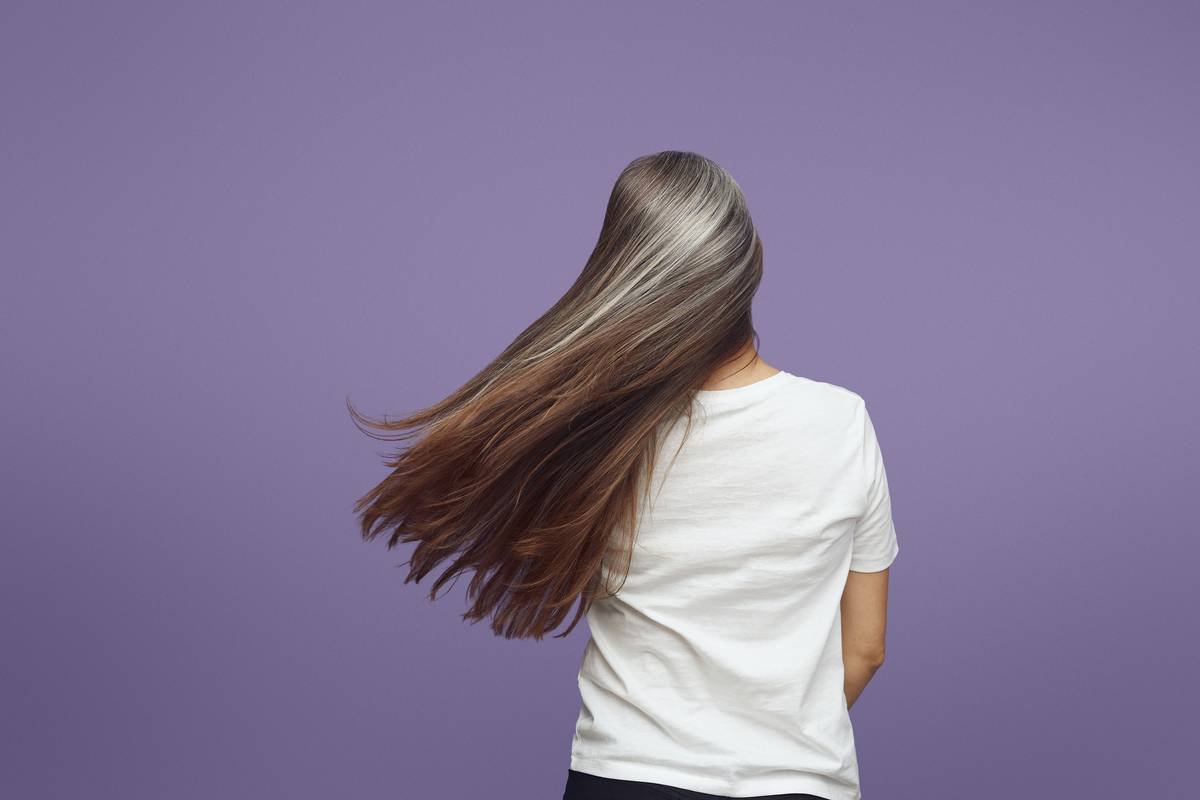
Absolutely. Gray hair has higher porosity and lower sebum production, making it prime for lipid-replenishing innovations like squalane + cholesterol complexes.
Conclusion
Hair care innovation isn’t about chasing trends—it’s about leveraging real biochemistry to solve stubborn hair problems. Whether you’re nursing post-color breakage or craving definition without crunch, today’s smart masks deliver where old-school formulas fall flat. Remember: prep right, apply strategically, and never trust a “miracle” mask that smells like yesterday’s promises.
Now go forth—and mask like the follicle-savant you are.
Like a Tamagotchi, your hair needs daily care… but only weekly innovation.