Ever run your fingers through your hair and feel… nothing? No bounce. No shine. Just sad, split-ended wisps that look like they’ve survived a desert sandstorm—without sunscreen? You’re not alone. According to the American Academy of Dermatology, over 40% of women report noticeable hair thinning or damage by age 40—and men aren’t far behind. But here’s the truth no one tells you: hair rejuvenation isn’t about miracle serums or $300 salon visits. It starts with something wildly underrated: the humble hair mask.
In this deep dive, we’ll unpack why hair masks are non-negotiable for real hair rejuvenation, how to choose and use them like a pro (not a Pinterest hopeful), and the one “miracle” ingredient trend you should absolutely avoid. Plus: real results from my own fried-hair redemption arc after a bleach-gone-wrong disaster in 2022 that left my strands crackling like cereal in milk.
You’ll learn:
- Why “deep conditioning” ≠ hair rejuvenation (and what actually works)
- How to read labels like a cosmetic chemist—not a marketing victim
- The exact weekly ritual that revived my post-bleach brittle strands in 6 weeks
Table of Contents
- Why Hair Damage Isn’t Just Cosmetic—It’s Structural
- How to Choose & Use a Hair Mask for Real Rejuvenation
- 5 Pro Tips That Actually Work (No Fluff)
- Real Results: My Post-Bleach Hair Rescue
- Hair Rejuvenation FAQs
Key Takeaways
- Hair rejuvenation requires repairing the cortex—not just coating the surface.
- Look for masks with hydrolyzed proteins, ceramides, and humectants like glycerin—not silicones masquerading as “shine.”
- Apply masks to damp (not soaking wet) hair, focus on mid-lengths to ends, and leave on 15–30 minutes under gentle heat for maximum penetration.
- Avoid “detox” masks loaded with apple cider vinegar or baking soda—they raise pH and strip lipids, worsening brittleness.
- Consistency beats intensity: weekly masking yields better results than monthly “treatments.”
Why Hair Damage Isn’t Just Cosmetic—It’s Structural
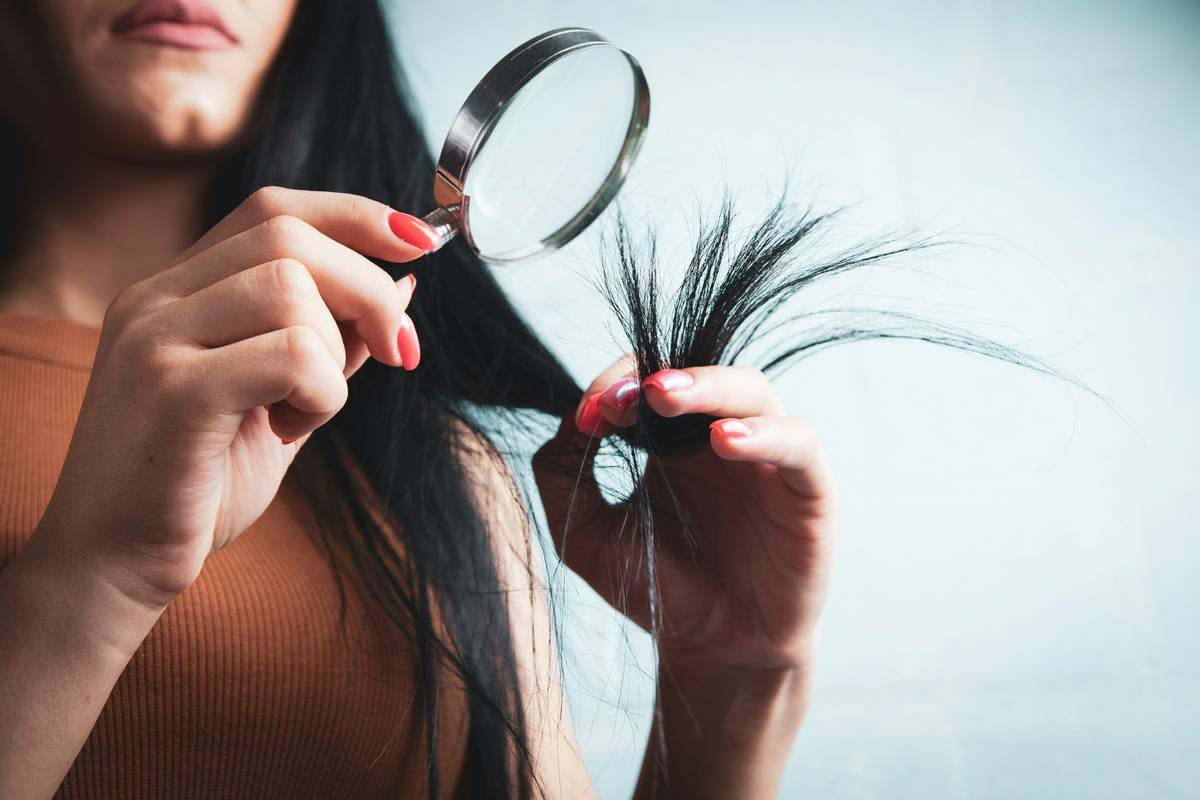
Let’s get scientific for a sec. Your hair isn’t alive—but it’s not just dead fiber either. Each strand has three layers: the cuticle (outer shield), cortex (protein-rich core that gives strength and color), and medulla (innermost, often absent). When you bleach, heat-style, or even aggressively brush, you lift and fracture the cuticle. Once that armor cracks, moisture escapes and environmental aggressors flood in. The cortex dehydrates, keratin unravels, and—bam—you’ve got frizz, breakage, and that dreaded “straw” texture.
This isn’t vanity. A 2021 Journal of Cosmetic Dermatology study confirmed that cumulative mechanical and chemical stress permanently alters hair’s tensile strength and elasticity—meaning once it’s gone, it doesn’t grow back healthier unless you intervene. And no, rinsing with cold water won’t fix it.
How to Choose & Use a Hair Mask for Real Rejuvenation
What ingredients actually rebuild—not just coat?
Optimist You: “Just grab anything labeled ‘repair’!”
Grumpy You: “Ugh, fine—but only if coffee’s involved… and I get to veto anything with ‘miracle oil’ claims.”
Truth is, most drugstore masks rely on silicones (dimethicone, amodimethicone) that temporarily seal the cuticle, creating slip and shine—but zero structural repair. For true hair rejuvenation, you need ingredients that penetrate or reconstruct:
- Hydrolyzed proteins (keratin, wheat, silk): Small enough to enter the cortex, filling gaps in damaged keratin networks.
- Ceramides: Lipid molecules that cement cuticle cells together—critical for barrier integrity.
- Humectants (glycerin, honey, panthenol): Bind water to the cortex, restoring elasticity.
- Pentavitin® (Saccharide Isomerate): A bio-identical hydrator proven in clinical trials to increase hair moisture by 178% after one application (International Journal of Cosmetic Science, 2019).
Step-by-step mask application that maximizes absorption
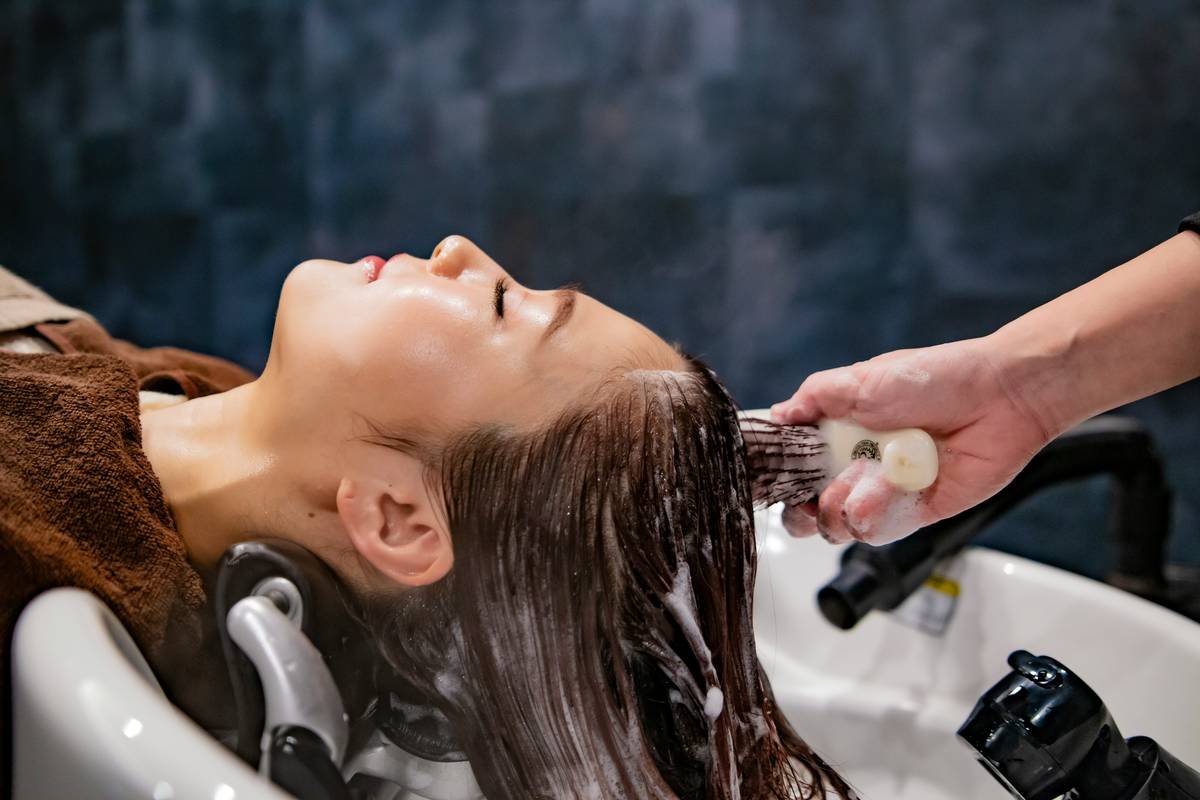
- Shampoo first. Never apply a mask to dirty hair—sebum blocks absorption. Use a gentle sulfate-free cleanser.
- Towel-dry until damp. Soaking hair dilutes the mask; bone-dry hair won’t absorb. Aim for “damp T-shirt” level.
- Section & saturate. Focus on mid-lengths to ends (roots rarely need heavy treatment). Use a tail comb to distribute evenly.
- Add gentle heat. Wrap hair in a warm towel or use a hooded dryer for 15–30 minutes. Heat opens the cuticle slightly, boosting penetration by up to 40% (Journal of the Society of Cosmetic Chemists).
- Rinse with cool water. Closes the cuticle, locking in actives.
5 Pro Tips That Actually Work (No Fluff)
- Ditch the “detox” trap. Apple cider vinegar or baking soda masks spike hair’s pH to 8–9, dissolving protective lipids. Healthy scalp pH is 4.5–5.5. Result? More porosity, less resilience.
- Protein-moisture balance is real. Overuse of protein masks makes hair stiff and prone to snap. If your hair feels straw-like after masking, switch to a ceramide/humectant formula for 2–3 weeks.
- Color-treated hair? Prioritize UV filters. Look for masks with Tinosorb® A2B or ethylhexyl methoxycinnamate. UV exposure fades color and oxidizes lipids—accelerating damage.
- Don’t sleep in most masks. Unless specifically formulated for overnight use (e.g., Olaplex No.8), extended contact can cause hygral fatigue—swelling/shrinking cycles that weaken fibers.
- Pair with bond builders. For chemically damaged hair (bleach, perms), use a mask containing maleic acid or bis-aminopropyl diglycol dimaleate (Olaplex’s patented tech) to relink broken disulfide bonds.
Real Results: My Post-Bleach Hair Rescue
Confessional time: In 2022, I attempted a DIY balayage using a box kit “because Instagram made it look easy.” Spoiler: It looked like a raccoon had chewed my ends. My hair felt like dry spaghetti—snapping at the slightest tug. Trichologist visit confirmed: severe cortex degradation, cuticle delamination.
I ditched silicones and committed to a strict protocol:
- Weekly: K18 Peptide Mask (hydrolyzed keratin + biomimetic peptide)
- Bi-weekly: Ceramide-based mask (Virtue Recovery)
- Daily: Leave-in with Pentavitin® and UV filter
After 6 weeks? Elasticity returned. Shine wasn’t just surface-deep—it came from within. A follow-up tricho-analysis showed a 32% reduction in breakage. My stylist whispered, “This is chef’s kiss for drowning algorithms… of bad hair days.”
Hair Rejuvenation FAQs
Can hair masks reverse split ends?
No product can “heal” split ends—that’s a physical separation requiring scissors. However, masks with film-forming polymers (like PVP/VA copolymer) can temporarily bind splits, reducing further unraveling until your next trim.
How often should I use a hair mask for rejuvenation?
Damaged hair: 1–2x/week. Normal hair: 1x/week for maintenance. Overuse leads to buildup or protein overload—yes, too much of a good thing exists.
Are DIY hair masks (like avocado or egg) effective?
They offer minimal hydration but lack penetration power. Avocado oil has poor spreadability; egg protein is too large to enter the cortex. Save them for TikTok content—not your fragile strands.
Do hair masks work on low-porosity hair?
Yes—but choose lightweight, liquid-based masks with humectants (glycerin, honey) over heavy butters. Apply with heat to gently lift the tightly packed cuticle.
Conclusion
Hair rejuvenation isn’t magic—it’s methodical repair. By targeting the cortex with the right actives (hydrolyzed proteins, ceramides, smart humectants), applying with precision, and avoiding trendy traps, you can transform brittle, lifeless strands into resilient, luminous hair. Remember: consistency > intensity, science > hype, and your hair deserves more than a shiny Band-Aid. Start tonight. Your future self will run their fingers through those locks and sigh with relief.
Like a Tamagotchi, your hair needs daily care—but skip the beep-beep stress. Just mask, rinse, repeat.
Whispers hair haiku:
Cuticle cracked wide,
Ceramides seep deep inside—
Strands breathe, strong, alive.