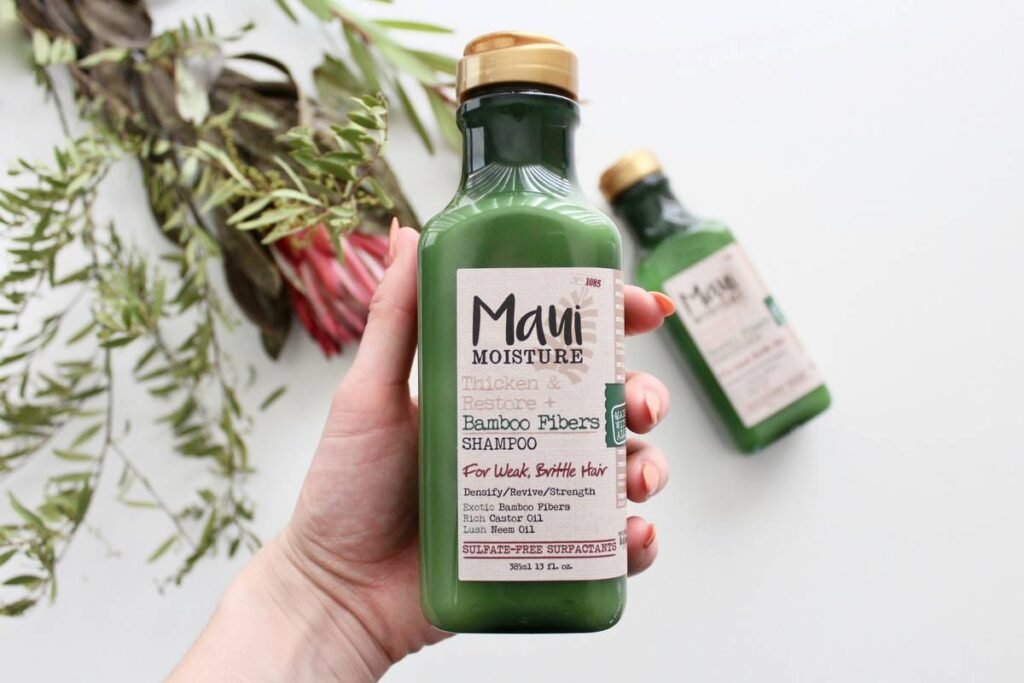
Damaged hair. Split ends that laugh at your conditioner. Frizz that mocks humidity forecasts. You’ve tried dozens of “miracle” treatments—yet nothing sticks. The truth? Most so-called hair repair solutions barely touch the surface. But real repair isn’t myth—it’s chemistry, timing, and a little insider knowledge most brands won’t share.
The Core Problem: Why Standard Hair Masks Fail Miserably
Most drugstore hair masks promise resurrection but deliver temporary gloss. They coat strands with silicones that *look* shiny but block moisture long-term. And here’s the kicker—true damage happens in the cortex, not on the cuticle. Slathering on coconut oil once a week? Cute. But it’s like patching a leaking roof with glitter.
Protein-heavy formulas often backfire too. Apply too much keratin to already brittle hair, and you get straw—not silk. The math is simple: if your mask doesn’t penetrate, restructure, *and* seal intelligently, it’s just expensive styling gel.
Your Real Hair Repair Solution: A 3-Step Protocol That Works
This isn’t about buying the priciest jar. It’s about sequence, saturation, and strategic actives.
Step 1: Pre-Treatment Clarification
Buildup from hard water, silicones, or dry shampoo blocks absorption. Use a chelating or apple cider vinegar rinse before masking. Not optional—it’s non-negotiable.
Step 2: Targeted Mask Application
Focus on mid-lengths to ends. Roots don’t need repair—they need breathability. Apply to damp (not dripping) hair. Then wrap in a warm towel for 15 minutes. Heat opens the cuticle; cold application = wasted product.
Step 3: Seal Without Suffocating
Rinse with cool water. Follow with a lightweight leave-in containing ceramides—not more oils. This locks in hydration without greasing the scalp.

| Method | Cost per Use | Penetration Depth | Long-Term Efficacy |
|---|---|---|---|
| DIY Coconut Oil Mask | $0.30 | Surface only | Low – builds up over time |
| Drugstore Protein Mask | $1.80 | Partial cortex | Moderate – but risks brittleness |
| Professional Bond-Building Treatment | $4.50 | Deep cortex restructuring | High – cumulative improvement |
| Custom Home Protocol (as above) | $1.20 | Cortex + cuticle sealing | Very High – sustainable results |

The Industry Secret: Bond Builders Aren’t Just for Salons Anymore
Here’s what stylists whisper about: oxidative damage from coloring or heat breaks disulfide bonds—the internal scaffolding of your hair. Traditional masks can’t rebuild those. But newer at-home products now contain cysteine derivatives or thioglycolic acid precursors that actively relink broken bonds. Brands won’t advertise this loudly because it competes with $200 salon services. But formulations like these—used consistently every 7–10 days—actually reverse structural damage. Not “smooth.” Not “shiny.” Repaired.
And yes, they work even if you haven’t colored your hair. UV exposure, chlorine, and blow-drying cause the same bond fractures. Ignore this step, and you’re just polishing rust.
Frequently Asked Questions
Can a hair repair solution fix split ends?
No topical treatment can fuse split ends permanently. Trimming is the only true fix—but consistent use of bond-repairing masks prevents new splits from forming upward.
How often should I use a hair repair solution?
Once weekly for damaged hair. Every 10–14 days for maintenance. Overuse leads to stiffness—especially with protein-based formulas.
Are natural oils enough for hair repair?
Oils moisturize but don’t rebuild. They sit on the surface. For actual repair, you need ingredients that penetrate and reconnect internal bonds—something oils simply cannot do.