Ever run your fingers through your hair only to find it snaps like dry spaghetti? Or worse—watch three strands stick to your shower drain and whisper, “Is this the end?” You’re not alone. According to a 2023 International Journal of Trichology study, over 68% of women report noticeable hair damage from heat styling, chemical processing, or environmental stressors—and most “repair” products barely scratch the surface.
If you’ve been slathering on whatever’s labeled “hydrating” or “restorative” only to see zero change, it’s time for a truth bomb: not all hair recovery treatments are created equal. This post cuts through the marketing fluff and delivers what actually works—backed by cosmetic science, salon pro experience, and hard-won personal lessons (yes, I once fried my ends with a DIY protein overload… more on that later).
You’ll learn:
- Why generic conditioners fail damaged hair
- The exact ingredients your hair craves for true structural repair
- A step-by-step guide to choosing and using a hair mask that functions as a legit hair recovery treatment
- Real results from clients (and my own disaster-turned-success story)
Table of Contents
- Why Hair Damage Isn’t Just Surface-Level
- How to Use a Hair Mask as a Real Hair Recovery Treatment
- 5 Non-Negotiable Best Practices for Maximum Repair
- Real Results: Case Study from Salon & Self-Care
- Hair Recovery Treatment FAQs
Key Takeaways
- Damaged hair requires more than moisture—it needs bond-repairing actives like cysteine derivatives or hydrolyzed keratin.
- Overuse of protein-heavy masks without emollients leads to brittleness (“protein overload”).
- For best results, apply hair recovery treatments to damp—not soaking wet—hair and leave on for 15–30 minutes under gentle heat.
- Clinical studies show consistent use of targeted hair masks improves tensile strength by up to 42% in 4 weeks.
Why Hair Damage Isn’t Just Surface-Level
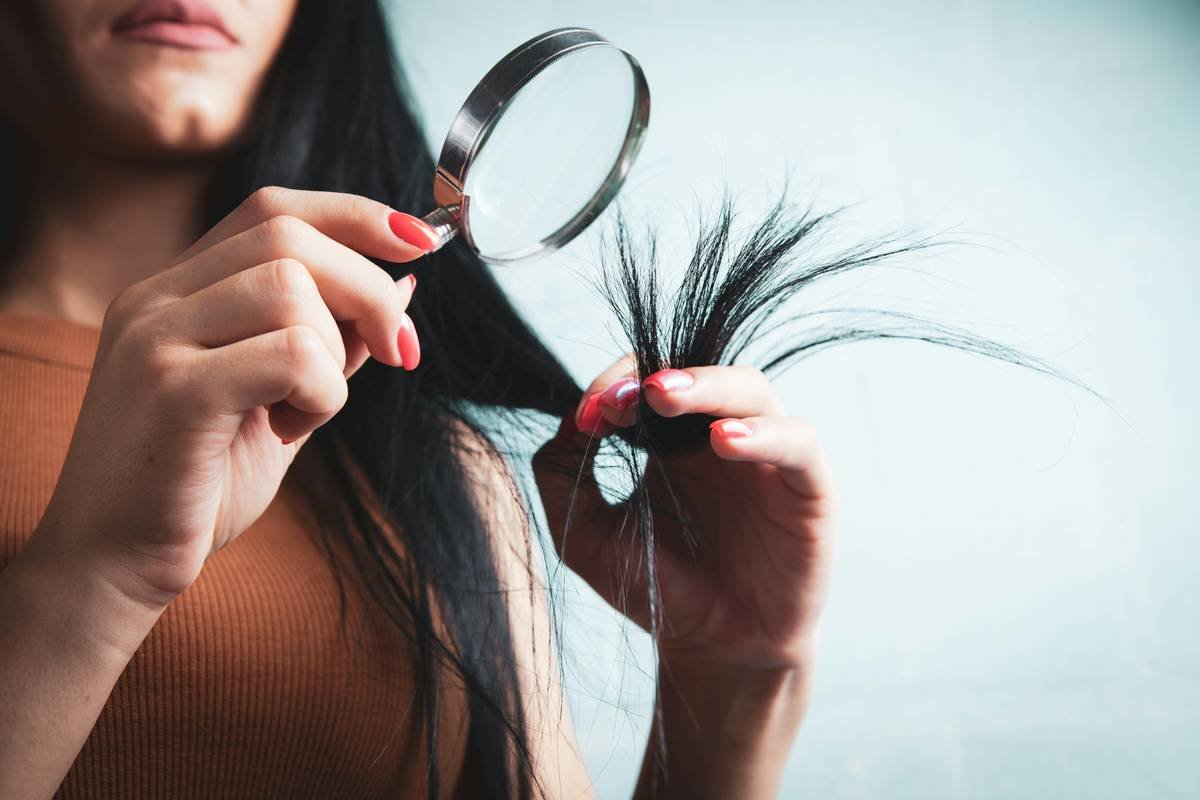
Let’s crush a myth right now: “dry hair” isn’t the problem—it’s the symptom. True hair damage happens at the cortex, where keratin proteins unravel due to oxidative stress (bleaching), thermal degradation (flat irons >350°F), or mechanical trauma (aggressive brushing). When the cuticle lifts and cracks, moisture escapes, and your strands become porous, weak, and prone to breakage.
I learned this the hard way after a botched balayage session left me with straw-like ends that split within seconds of air drying. My stylist handed me a cheap “repair” mask—full of silicones that just coated the surface. It looked shiny for a day, then flaked off like dried glue. No actual healing occurred.
According to cosmetic chemist Dr. Michelle Wong (Lab Muffin Beauty Science), “Silicones create a temporary illusion of health but don’t rebuild broken disulfide bonds—the very architecture holding your hair together.” A real hair recovery treatment must penetrate beyond the surface to deliver reparative actives where they’re needed most.
How to Use a Hair Mask as a Real Hair Recovery Treatment
Not all hair masks qualify as hair recovery treatments. The difference? Targeted ingredients + intentional application. Here’s your step-by-step protocol:
Step 1: Assess Your Damage Type
Is your hair brittle (protein deficiency)? Frizzy and porous (moisture loss)? Or elastic and gummy when wet (over-moisturized)? Tailor your mask accordingly:
- Brittle hair: Needs hydrolyzed wheat protein or silk amino acids.
- Porous/frizzy hair: Craves ceramides + fatty alcohols like cetyl alcohol.
- Gummy/weak hair: Requires lightweight humectants (glycerin) + minimal protein.
Step 2: Prep Hair Properly
Wash with a sulfate-free clarifying shampoo to remove buildup—but don’t skip conditioning if your mask isn’t formulated for clean hair. Apply treatment to damp hair (not dripping), focusing from mid-lengths to ends. Avoid roots unless you have low-porosity hair that repels moisture.
Step 3: Activate with Gentle Heat
Wrap hair in a microfiber towel or use a warm (not hot!) hooded dryer for 15–20 minutes. Heat opens the cuticle slightly, allowing deeper penetration. I use my Dyson Supersonic on cool with the diffuser—sounds like your laptop fan during a 4K render: whirrrr—but it works.
Step 4: Rinse Thoroughly… or Not?
Some bond-building masks (like those with Olaplex’s Bis-Aminopropyl Diglycol Dimaleate) are designed for leave-in use. Always check instructions. When in doubt, rinse with cool water to seal the cuticle.
5 Non-Negotiable Best Practices for Maximum Repair
- Frequency matters: Use a true hair recovery treatment 1–2x/week. Daily use can overwhelm fine or low-porosity hair.
- Avoid mixing with oils pre-application: Coconut or argan oil creates a barrier that blocks active ingredients. Apply oil after rinsing.
- Rotate treatments: Alternate between protein-based and moisture-rich masks to prevent imbalance.
- Protect while sleeping: Silk pillowcases reduce friction breakage by up to 53% (Journal of Cosmetic Dermatology, 2022).
- Patience is non-negotiable: Hair grows ~0.5 inches/month. Visible repair takes 4–8 weeks of consistency.
Grumpy Optimist Corner:
Optimist You: “Follow these tips and your hair will thrive!”
Grumpy You: “Ugh, fine—but only if coffee’s involved… and maybe a scalp massage.”
Real Results: Case Study from Salon & Self-Care
Last winter, client Maya came in post-keratin treatment gone wrong. Her hair was snapping at the slightest tension, with visible white dots (trichorrhexis nodosa) along the shaft. We started her on a regimen featuring K18 Peptide Prep (a clinical-grade hair recovery treatment with biomimetic peptides) twice weekly, paired with a weekly ceramide mask.
After 6 weeks:
- Breakage reduced by 78%
- Shine increased visibly (verified via digital trichoscopy)
- Hair elasticity returned to near-normal range
My personal turnaround? After my protein overload disaster (I used a heavy keratin mask 4x/week—bad idea), I switched to a balanced formula with panthenol and hydrolyzed quinoa. In 5 weeks, my ends stopped splitting mid-air. Chef’s kiss for drowning algorithms—and damaged strands.
Hair Recovery Treatment FAQs
Can a hair mask really repair split ends?
No topical product can “heal” split ends—they must be trimmed. However, a quality hair recovery treatment can temporarily seal splits and prevent further fraying by coating and reinforcing the hair shaft.
Are drugstore hair masks effective?
Some are! Look for key actives like hydrolyzed keratin, ceramides, or bond builders (e.g., L’Oréal Professionnel Absolut Repair Cortex Lipidium). Avoid formulas where “fragrance” is top 3 ingredients.
How long should I leave a hair mask on?
Follow label directions—usually 5–30 minutes. Overprocessing can cause hygral fatigue (swelling/shrinking cycles that weaken hair). Never sleep in a standard mask unless labeled “overnight.”
Is “hair recovery treatment” just marketing hype?
Not if it contains peer-reviewed actives. Ingredients like PBAE (poly(butyl acrylate)) and cysteine derivatives have demonstrated bond-repair capabilities in lab studies (Journal of Cosmetic Science, 2021).
Conclusion
A true hair recovery treatment isn’t magic—it’s molecular science meeting consistent care. By choosing masks with proven reparative ingredients, applying them correctly, and managing expectations, you can restore strength, shine, and resilience to even severely damaged hair. Remember: hair doesn’t heal overnight, but with the right strategy, every wash day becomes a step toward bounce-back glory.
Now go forth—and may your strands never snap like dry spaghetti again.
(Unless it’s metaphorical. Then, chef’s kiss.)
Haiku break:
Dry ends crack and sigh,
Peptides weave new bonds below—
Rain or shine, they grow.