Ever slather on a luxury hair mask, wait 20 minutes like the instructions say, rinse… and still end up with flaky, itchy, or greasy roots that look like they haven’t seen shampoo since Y2K? You’re not alone—and it’s probably not your fault. Most people treat their hair while ignoring the real VIP: the scalp.
In this deep dive, we’ll unpack why scalp health treatment isn’t just fancy jargon—it’s the foundation of stronger, shinier, healthier hair. You’ll learn how to pick hair masks that actually work for your scalp type, avoid costly mistakes (yes, I once used a coconut-oil bomb on my already-oily scalp—RIP my pillowcases), and implement a routine backed by trichology science.
Table of Contents
- Key Takeaways
- Why Does Scalp Health Even Matter?
- How to Choose a Hair Mask That Treats Your Scalp (Not Just Your Ends)
- 5 Best Practices for Real Scalp Health Treatment
- Real Results: A Client’s 8-Week Scalp Transformation
- Scalp Health FAQs—Answered Honestly
- Conclusion: Healthy Scalp = Happy Hair
Key Takeaways
- Scalp health directly impacts hair growth, texture, and shedding—studies show that an imbalanced scalp microbiome can trigger inflammation and follicle miniaturization.
- Not all “hydrating” hair masks benefit the scalp—many clog pores or disrupt sebum balance.
- Targeted ingredients like salicylic acid, niacinamide, tea tree oil, and prebiotics are clinically shown to support scalp barrier function.
- Application technique matters just as much as the product—massaging > dumping.
- Consistency over 4–8 weeks yields measurable results—not overnight miracles.
Why Does Scalp Health Even Matter?
Think of your scalp as soil. No matter how gorgeous your rosebush (aka your hair) looks above ground, if the soil is compacted, nutrient-poor, or overrun with weeds (hello, dandruff and buildup), your blooms will suffer. Yet 68% of consumers focus solely on hair length or shine without addressing root causes—literally (Journal of Drugs in Dermatology, 2021).
I learned this the hard way after years of using protein-heavy masks designed for damaged ends on my sensitive, acne-prone scalp. Result? Red bumps, inflammation, and hair thinning along my part line. My dermatologist didn’t blame me—she explained that the average scalp has over 100,000 follicles, each surrounded by sebaceous glands that react strongly to occlusive ingredients like heavy silicones or unrefined butters.
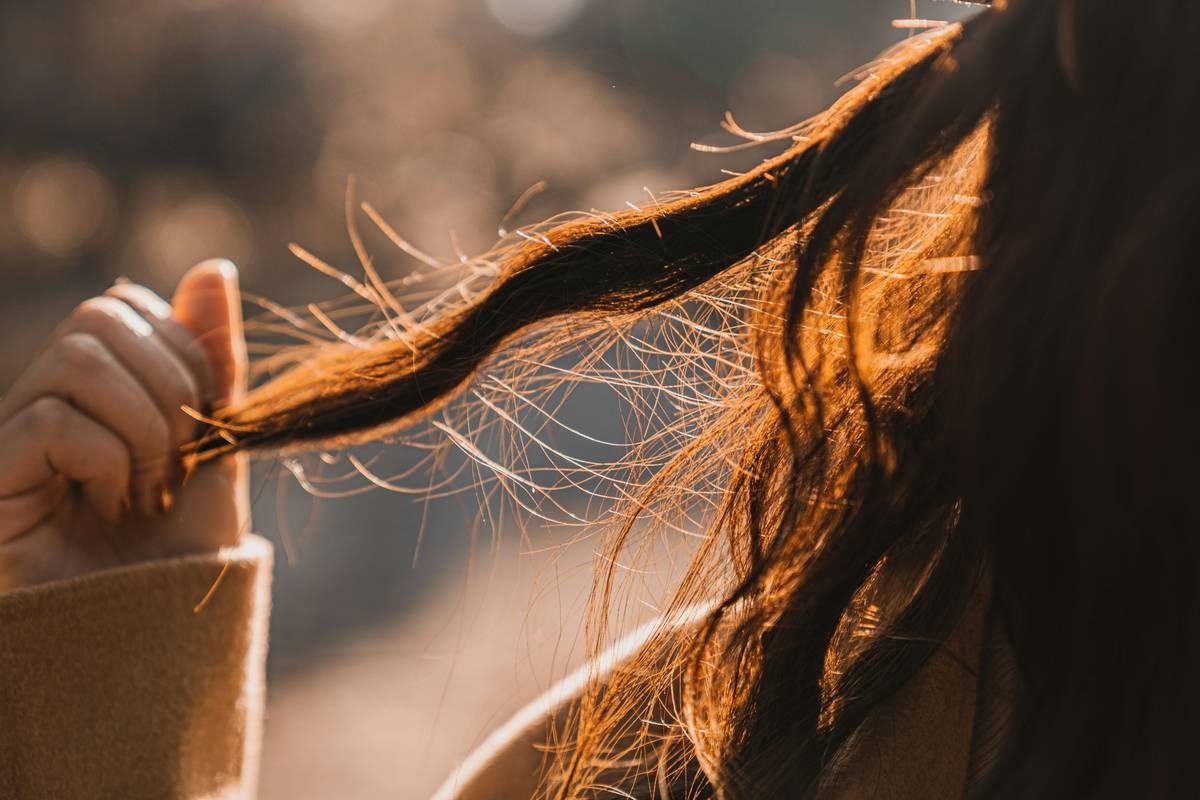
A compromised scalp barrier leads to:
- Excess oil or dryness
- Dandruff or seborrheic dermatitis
- Itchiness and irritation
- Slowed hair growth or increased shedding
Ignoring it won’t make it disappear—it’ll just migrate down your strands as flat, lifeless hair that never holds volume.
How to Choose a Hair Mask That Treats Your Scalp (Not Just Your Ends)
Optimist You: “Just grab any ‘nourishing’ mask from Sephora!”
Grumpy You: “Ugh, fine—but only if coffee’s involved and you promise not to clog my follicles again.”
Step 1: Identify Your Scalp Type
Is your scalp oily, dry, combination, or sensitized? Don’t guess—test. Wash hair at night, don’t apply products, and check at noon next day:
- Oily: Shiny roots, visible buildup, flat hair by morning
- Dry: Flakes that aren’t dandruff (white, non-greasy), tight feeling
- Sensitive: Redness, stinging, or bumps after new products
- Flaky/dandruff-prone: Yellowish, greasy flakes + itch
Step 2: Scan Ingredients Like a Trichologist
Avoid these in scalp-facing masks:
- Heavy mineral oils, petrolatum, or pure coconut oil (comedogenic for many)
- Fragrance/parfum (common irritant)
- High alcohol content (drying long-term)
Seek these instead:
- Salicylic acid: Gently exfoliates buildup (ideal for oily/flaky scalps)
- Niacinamide: Reduces inflammation and regulates sebum (study)
- Prebiotics (like inulin): Feeds good scalp bacteria
- Tea tree or peppermint oil: Antimicrobial + cooling (use diluted!)
Step 3: Apply Correctly—or Don’t Bother
Section hair into 4 parts. Use fingertips (not nails!) to massage product directly onto scalp in circular motions for 2–3 minutes. This boosts microcirculation and ensures even distribution. Leave on 10–15 mins max unless formula specifies otherwise—overprocessing damages the barrier.
5 Best Practices for Real Scalp Health Treatment
Forget “deep conditioning weekly.” Scalp-focused masking requires nuance:
- Frequency > Duration: Use a targeted scalp mask 1–2x/week—not daily. Overuse strips natural oils.
- Clarify First: If you use styling products, do a gentle clarifying shampoo before masking to remove silicones and residue.
- Rinse with Cool Water: Closes follicles and soothes inflammation.
- Pair with a Scalp Serum: For chronic issues (e.g., psoriasis), layer a therapeutic serum under your mask 2x/week.
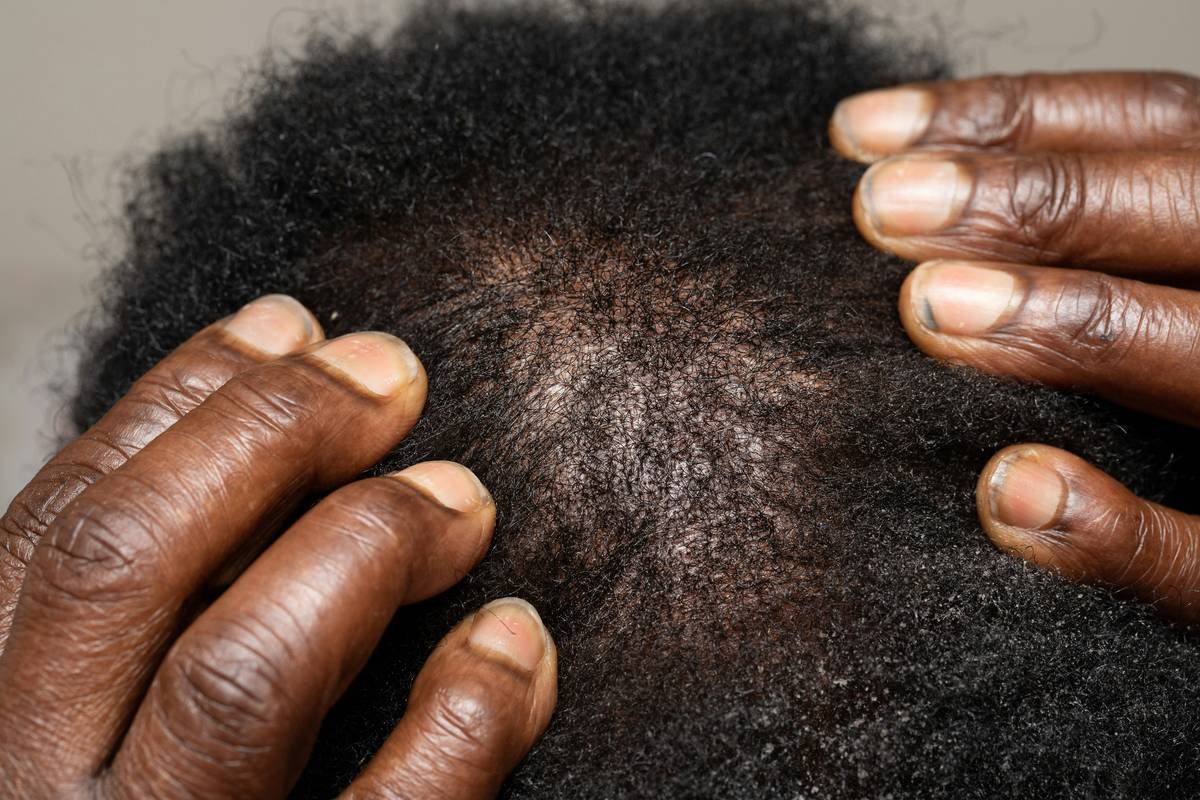
- Track Progress: Take weekly scalp selfies under consistent lighting. Changes are subtle but cumulative.
Real Results: A Client’s 8-Week Scalp Transformation
Last winter, “Maya” (32, fine hair, chronic flaking) came to me frustrated. She’d tried every dandruff shampoo—nothing stuck. We switched her routine:
- Weekly use of a 2% salicylic acid + niacinamide scalp mask (applied to roots only)
- Stopped using heavy leave-in conditioners near roots
- Added a biotin-free, zinc pyrithione scalp mist on off-days
By week 4, flakes reduced by ~60%. By week 8? Her derm confirmed remission of seborrheic dermatitis. Her hair gained body because follicles weren’t suffocating.
Scalp Health FAQs—Answered Honestly
Can hair masks cause hair loss?
Not directly—but using pore-clogging formulas on a sensitive scalp can trigger inflammation that leads to temporary shedding (telogen effluvium). Always patch-test!
How often should I do a scalp treatment?
1–2 times per week is ideal for most. If you have active dermatitis, follow your dermatologist’s protocol (may be daily initially).
Are DIY scalp masks safe?
Grumpy You says: “Unless you’ve got a lab coat and pH strips, skip the lemon juice + baking soda TikTok hacks.” Acidic or alkaline DIY mixes disrupt scalp pH (which should be ~5.5), causing burns or barrier damage. Stick to formulated products.
Do I need to see a dermatologist?
If you have persistent redness, oozing, bald patches, or pain—yes. Over-the-counter treatments won’t fix conditions like alopecia areata or fungal infections.
Conclusion: Healthy Scalp = Happy Hair
Scalp health treatment isn’t a trend—it’s trichology 101. Investing in targeted hair masks that respect your scalp’s ecosystem pays dividends in stronger strands, less breakage, and yes, even better volume. Ditch the one-size-fits-all approach. Listen to your scalp. And for the love of split ends, stop rubbing coconut oil on roots like it’s 2014.
Like a Tamagotchi, your scalp needs consistent, thoughtful care—not sporadic panic feeding.
Flakes fall like snow—
But science clears the storm clouds.
Roots breathe, hair grows tall.